
LUX - Space Science @luxspacescience
🚀 LSS - LUX Space Science | Technology #space | #science | #astronomy | #physics | #math linktr.ee/luxspacescience Joined December 2022-
Tweets639
-
Followers341
-
Following70
-
Likes125


📜 SPACE ID Meet the Universe 📌 A Barred Spiral Galaxy in the Virgo Cluster Name : Messier 61 (also known as M61, NGC 4303) Object Type : Spiral Galaxy Constellation : Virgo Right ascension : 12h 21m 54.9s Declination : +04° 28′ 25″ Heliocentric radial velocity : 1566±2 km/s Distance : 52.5 ± 2.3 Mly (16.10 ± 0.71 Mpc) Redshift : 0.005224±0.000007 Apparent size (V) : 6.5 × 5.8 arcmin Apparent magnitude (V) : 9.7 Galactocentric velocity: 1483±4 km/s Let’s Lift-off ! Stay with science. +++ #luxspacescience #space #science #astronomy #InternationalWomensDay #IWD2024 #FridayFeeling TikTok #WomenEmpowerment #WomensDay


🌟 Stardust Diaries 📍 Galactic Vista of the Day The Rosette Nebula, also known as Caldwell 49, is a large, circular H II region (a region of ionized hydrogen) located in the Monoceros constellation. It is situated at a distance of approximately 5,000 to 5,200 light-years away from Earth. The nebula spans about 130 light-years in diameter. 📍 Key features and characteristics of the Rosette Nebula include: 🔻Structure: The nebula is shaped like a rose, hence its name. It is composed of a central cluster of hot, young stars, designated as NGC 2244, which formed from the surrounding gas and dust. The stellar winds and radiation from these stars have sculpted the surrounding nebula, creating the distinctive rose-like shape. 🔻 Emission Nebula: The Rosette Nebula is primarily an emission nebula, meaning it emits light due to the excitation of hydrogen atoms by the intense ultraviolet radiation emitted by the young, massive stars within it. This radiation causes the hydrogen gas to glow, producing the vibrant red color characteristic of many emission nebulae. 🔻 Star Formation: The central cluster NGC 2244 contains numerous hot, young, massive stars that have recently formed within the nebula. These stars are responsible for ionizing the surrounding hydrogen gas and creating the glowing emission nebula. Additionally, the dense clouds of gas and dust within the Rosette Nebula are potential sites for ongoing star formation. 🔻 Location: The Rosette Nebula is located within the Milky Way galaxy, relatively close to the Galactic plane. Its position in the sky places it in the constellation Monoceros, near the border with the constellation Orion. Let's Lift-off ! Stay with science. Credit & Copyright: Olivier Bernard & Philippe Bernhard #luxspacescience #space #science #astronomy Falcon 9 #WednesdayMotivation #ValentinesDay #PancakeDay #Wednesdayvibe

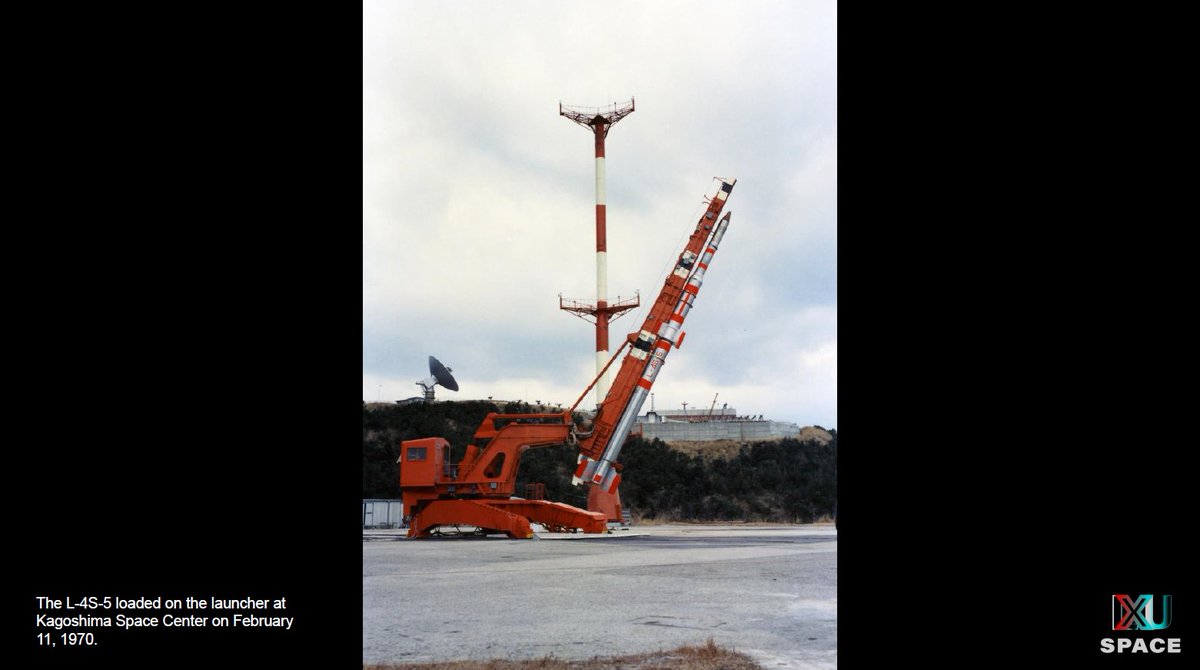
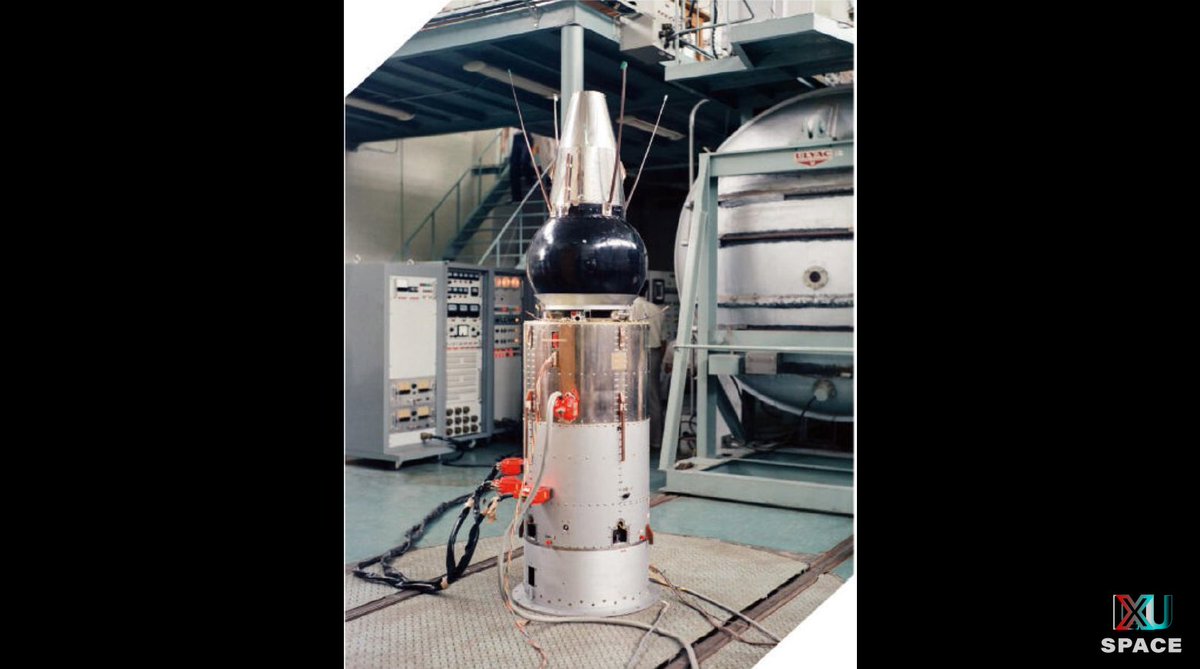
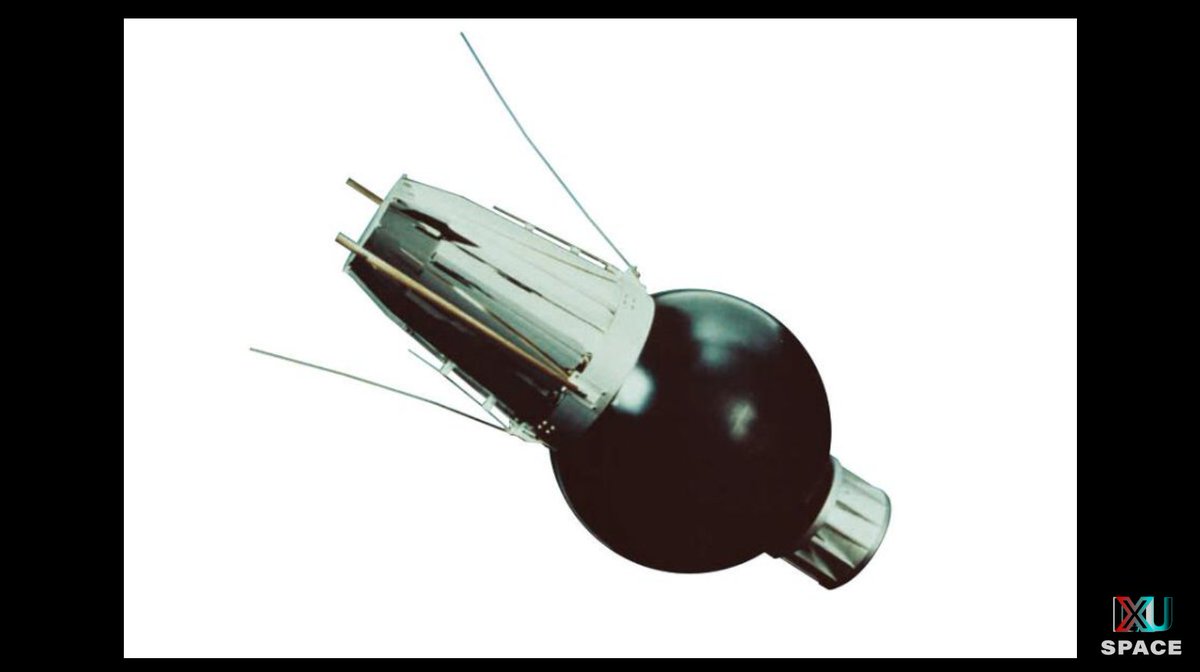
TODAY IN HISTORY ! 🛰 Japan's First Satellite, Ohsumi, Launches into Space 🚀 On February 11, 1970, Japan made history by launching its first man-made satellite, Ohsumi. This remarkable event marked Japan's entry into the realm of space exploration. 🚀 Named after the renowned Japanese microbiologist Yoshinori Ohsumi, the satellite was launched from the Kagoshima Space Center (now the Uchinoura Space Center) on Kyushu Island. Riding atop a Lambda L-4S-5 rocket, Ohsumi soared into orbit, weighing approximately 26 kilograms. Ohsumi's mission was to study the Earth's ionosphere and magnetosphere, collecting data on cosmic rays and magnetic fields. This groundbreaking endeavor showcased Japan's commitment to scientific advancement and innovation. 🚀 Between 15:56:10 and 16:06:54, approximately two and a half hours following liftoff, the Uchinoura ground station received a radio signal from OHSUMI, confirming its initial orbit around Earth. Over time, the strength of the radio signal gradually diminished, and by the following day, February 12, during its sixth orbit, the signal had weakened significantly. By the seventh orbit, the signal could no longer be detected, suggesting that contact with OHSUMI had been lost 14 to 15 hours after launch. It is presumed that this loss of signal was due to a rapid decline in power capacity, likely caused by higher-than-anticipated temperatures. Despite the loss of communication, OHSUMI continued its orbit around Earth until 05:45 on August 2, 2003 (JST), when it reentered the atmosphere and disintegrated due to the intense heat of reentry. Credit : @JAXA_en Let’s Lift-off ! Stay with science. #luxspacescience #space #science #astronomy #physics #spaceX #SaturdayVibes

SPACE ID Meet the Universe 📌The Brightest Star of the Open Cluster Pismis 24 ! Name : Pismis 24-1 Object Type : Star Constellation : Scorpius Variable type : Eclipsing (NE) Spectral type : O3.5If* (NE) Right ascension : 17h 24m 43.497s (NE) Declination : –34° 11′ 56.86″ (NE) Apparent magnitude (V) : 11.00 (NE) Radial velocity (Rv) : −2.0 km/s Distance : 6,500 ly (2,000 pc) Mass : 74 M☉ (NE) Radius : 18 R☉ (NE) Luminosity : 776,000 L☉(NE) Temperature : 42,500/41,500K (NE) 🌟The star cluster Pismis 24 lies within the much larger emission nebula called NGC 6357 (Lobster Nebula). Pismis 24-1 was first catalogued as HD 319718, later resolved into both Pismis 24-1 and the fainter Pismis 24-16. Credit : @NASA @esa Let’s Lift-off ! Stay with science. #luxspacescience #space #science #astronomy #Physics 32 Grammys #Mondayvibes #MondayMood #MondayMotivation Sagittarius #Grammy


📢 Astronomical Events February, 2024 We invite you to embark on a cosmic journey exploring the celestial wonders that February has in store. Don't forget to look at the sky ! 🌟 February 1, 2024 - Moon near Spica. 🌟 February 2, 2024 - Last Quarter Moon. 🌟 February 5, 2024 - Moon near Antares. 🌟 February 7, 2024 - Moon near Venus. 🌟 February 8, 2024 - Alpha Centaurid's peak; Moon near Mars, Mercury. 🌟 February 9, 2024 - New Moon. 🌟 February 11, 2024 - Moon near Saturn. 🌟 February 14, 2024 - C/2021 S3(PanSTARRS) at perihelion. 🌟 February 16, 2024 - First Quarter Moon; Moon near the Pleiades. 🌟 February 21, 2024 - Moon near Pollux. 🌟 February 22, 2024 - Venus near Mars; Moon near the Beehive. 🌟 February 23, 2024 - Moon near Regulus. 🌟 February 24, 2024 Full Snow Moon. 🌟 February 28, Moon near Spica Let’s Lift-off ! Stay with science. #luxspacescience #space #science #astronomy #february2024 #event #Caturday #SaturdayMorning #SaturdayVibes #screenshotsaturday Starship #SaturdayMood
We at @luxspacescience are happy to announce the publication of new article : "Introduction to The Messier Objects". This article contains the following topics : 🔻 The Evolution of The Messier Objects 🔻 Catalogs and Releases 🔻 Studying The Messier Objects in the Cosmos 🔻 The Messier Objects List 📌 In the article we will publish in the future, we will examine Messier objects in depth and in more detail. Let’s Lift-off ! Stay with science. #luxspacescience #science #astronomy #universe #space INTRODUCTION TO THE MESSIER OBJECTS linkedin.com/pulse/introduc…
@uzayakesiif This view of Venus was acquired by the Japanese Akatsuki spacecraft's IR2 camera @JAXA_en .


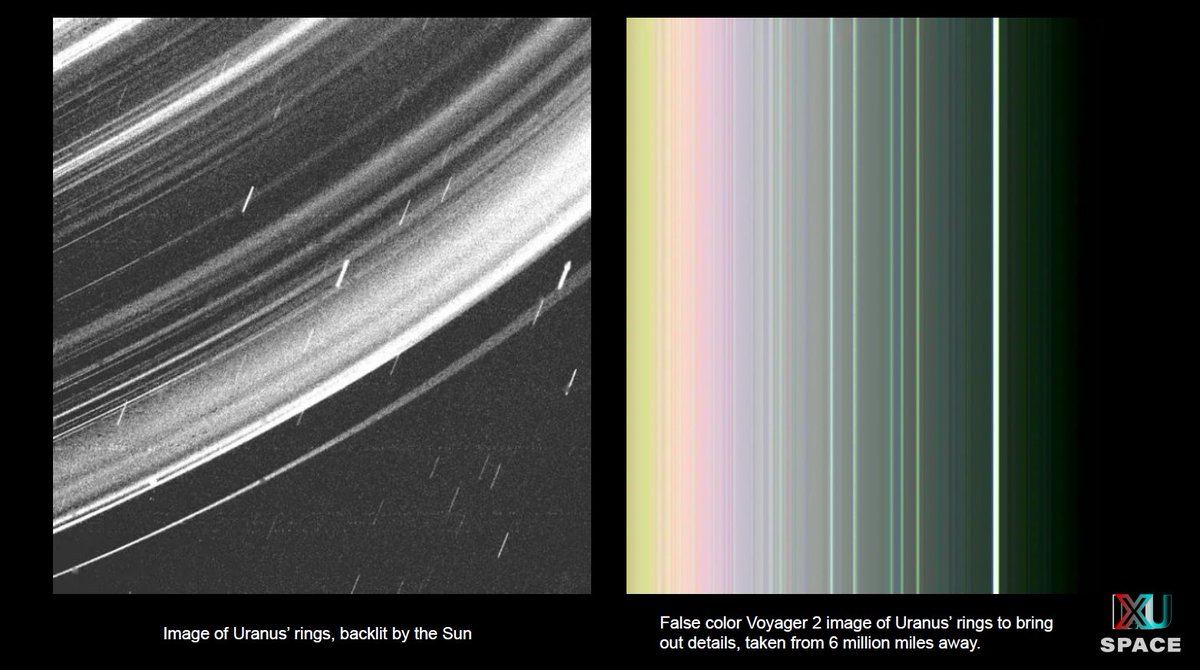

TODAY IN HISTORY ! 🔵 Uranus was visited for the first time by the Voyager 2 space probe. In a historic moment for space exploration, NASA's Voyager 2 spacecraft achieved a groundbreaking feat by making its closest approach to the distant and mysterious gas giant, Uranus. On this day, January 24, 1986, humanity obtained its first-ever up-close glimpse of the seventh planet from the sun. 🔷 Voyager 2, launched in 1977, had previously provided unprecedented insights into the outer planets of our solar system, including Jupiter and Saturn. However, the encounter with Uranus marked a singular event, as it was the only time humanity has visited this distant celestial body. 🔷The spacecraft's journey allowed for approximately 5.5 hours of intensive study, during which it transmitted stunning images of Uranus and its accompanying moons. The data gathered during this brief yet significant period has since been crucial in advancing our understanding of the unique characteristics of Uranus and its complex system. 🔷One of the remarkable findings from Voyager 2's visit was the revelation of Uranus's magnetic tail forming a helix, stretching an astonishing 6 million miles (10 million kilometers) in the direction opposite to the sun. This discovery, made possible by the spacecraft's instruments, added a new layer of understanding to the dynamics of the planet's magnetic field. 🔷The success of Voyager 2's mission to Uranus underscored the importance of deep space exploration in unraveling the mysteries of our cosmic neighborhood. The images and data sent back by the spacecraft have become invaluable tools for scientists studying the distant realms of our solar system. 👇 The Voyager 2 images of Uranus are below. Credit : NASA - National Aeronautics and Space Administration Let’s Lift-off ! Stay with science. +++ #luxspacescience #space #science #astronomy #uranus #voyager Best Picture Oppenheimer #Oscars2024


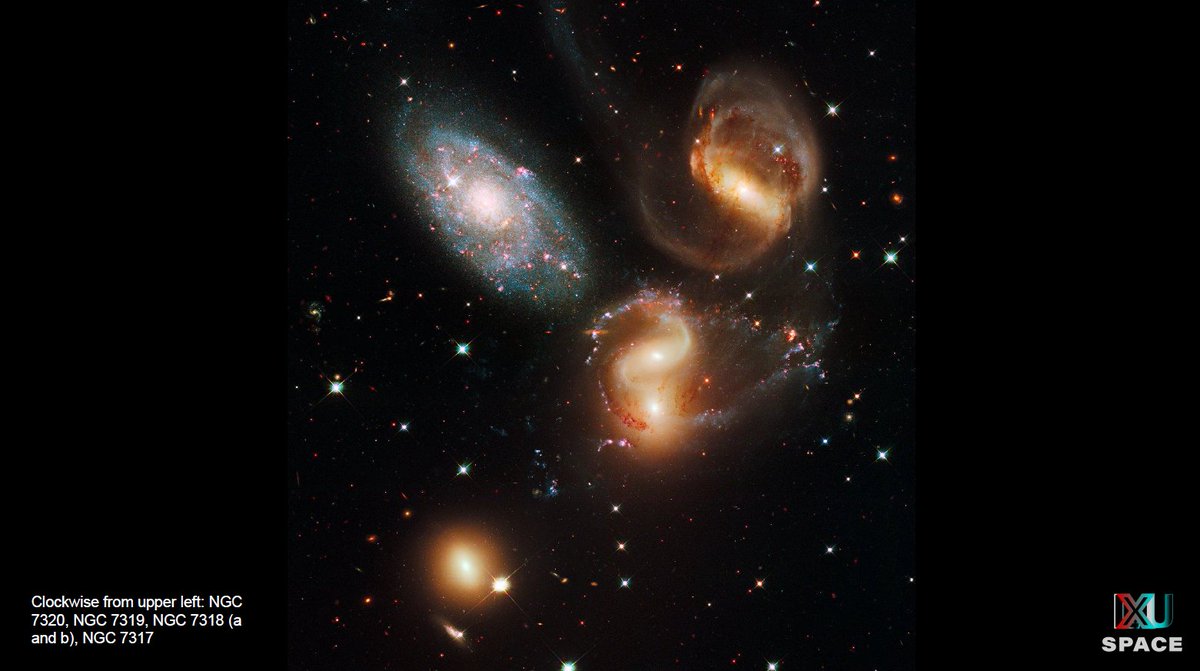
🌌 Stephan's Quintet - The First Compact Group Ever Discovered Stephan's Quintet is a visual grouping of five galaxies of which four form the first compact galaxy group ever discovered. Four of the five galaxies in Stephan's Quintet form a physical association, a true galaxy group, Hickson Compact Group 92, and will likely merge with each other. 📌 Discovery and Identification Stephan's Quintet, named after French astronomer Édouard Stephan who discovered the group in 1877, is a unique cluster of galaxies located in the Pegasus constellation, approximately 300 million light-years away from Earth. The primary members of Stephan's Quintet include NGC 7317, NGC 7318A, NGC 7318B, NGC 7319, and NGC 7320. Notably, NGC 7318B is believed to be a foreground galaxy that is not physically associated with the other members but appears to be interacting with the group. 📌 Collision and Cosmic Shockwaves The galaxies of Stephan's Quintet are not merely neighbors; they are engaged in a gravitational dance that has profound consequences for their structures and evolution. The close encounters lead to galactic collisions and shockwaves, triggering bursts of star formation and influencing the overall dynamics of the quintet. The interplay of gravitational forces has also led to the expulsion of gas from the galaxies, creating vast regions of ionized hydrogen that glow with an otherworldly brilliance. ✨ Stephan's Quintet was selected as one of the five cosmic objects observed by the James Webb Space Telescope as part of the release of its first official science images. Observation data (Epoch J2000) Constellation(s) : Pegasus Right ascension : 22h 35m 57.5s Declination : +33° 57′ 36″ Brightest member : NGC 7318B Let’s Lift-off ! Stay with science. #luxspacescience #space #science #astronomy #galaxy +++


🪐Planet Facts III Stay with science. #luxspacescience #space #science #astronomy #Oscars2024 Asteroid City Hastalık X Oppenheimer
@uzayakesiif Thinking the Earth is flat is like thinking your pizza is a square – it's cute, but let's stick to the facts, shall we? 🍕🌏 #GlobalSliceOfReality
🪐Planet Facts II Stay with science. #luxspacescience #space #science #astronomy #Mondayvibes #MondayMotivation Alper Gezeravcı #mondaythoughts
🚀Hello Space lovers, As @luxspacescience , we have started a new series consisting of 3 videos. 🪐The first video of our Planet Fact series is below. Stay with science. #luxspacescience #space #science #astronomy #planet International Space Station #Jupiter Ax-3 #NASA Falcon 9 #FridayMotivation #spaceX #FridayVibes #alpergezeravci
💻 Astronomical Coding-Guidance: How to Obtain Solar Observation Data By examining the code snippet we shared below, you can go deeper and learn how to instantly access solar observation images and data. Observatory types supported: 🛰 SDO (Solar Dynamics Observatory): A NASA mission that has been observing the Sun since 2010. 🛰 SOHO (Solar and Heliospheric Observatory): A joint ESA-NASA space-based observatory that has been operating since 1995. 🛰 Hinode: A Japanese mission in collaboration with NASA and the UK Space Agency, it has various instruments on board designed to study the Sun's magnetic field. 🛰 RHESSI (Reuven Ramaty High Energy Solar Spectroscopic Imager): A NASA solar satellite that observed the Sun in high-energy X-rays and gamma rays. 🛰 GOES (Geostationary Operational Environmental Satellites): These satellites provide data on solar activity and are used for weather forecasting and monitoring. 🛰 Proba-2: A small solar observation satellite developed by the European Space Agency. Solar activity can influence space weather, affecting satellite operations, communication systems, and even power grids on Earth. By analyzing solar data, scientists can predict space weather events and help mitigate their impacts. We have already shared two projects within the scope of the astronomy project, in which we used this research and application approaches in depth: 📌 How-To I: lnkd.in/dMFYBZDk 📌 How-To II: lnkd.in/gDaDCa4k Let’s Lift-off ! Stay with science. #luxspacescience #space #science #astronomy #technology #physics #spacescience #astrophysics #spaceweather #ThirstyThursday #ThursdayThoughts #thursdayvibes #thursdaymorning Happy Friday Eve Good Thursday


ihsan OĞUZ @ihsan733
53 Followers 170 Following
Erdal Ben @ErdallBilgic
29 Followers 486 Following
Bruce Auer @AuerBruce5316
21 Followers 774 Following
magdalena @nano_kedy
133 Followers 325 Following materials science & nanotechnology engineering MSc Ne mutlu Türk’üm diyene
yun @PatriciaRi32729
1 Followers 85 Following I’m a fan of deep dives—into conversations, books, and life. Let’s explore the depths together.

Refik GULBAHAR @refikgulbahar
87 Followers 179 Following Yük. Kimya Müh, 6Sigma MBB, Agnostik. Evli, 2 kız çocuğu babası.

Bayram Akdag @BayramAkda28559
0 Followers 82 Following
Newtonian Innovator @NewtonianInov8r
1K Followers 2K Following Where Logic Meets Imagination to Ignite Technological and Scientific Breakthroughs. Featuring our /AI::Agent/ Exploring the Frontiers of Science and Technology.
Edward Star Star @EduardoStella
2K Followers 2K Following

⟨Ajmal|I|MA⟩ @ajmalphyx
82 Followers 408 Following Loves learning physics. Physics Researcher. Area of interests: Comp. Physics & Quantum computing & Physics education.
Pooran Singh @Pooran_07
42 Followers 369 Following #Science & #Technology, Researcher, Mentor, Science Lover, Writer, Poetry, Proud to be Indian. Jai Hind 🇮🇳🇮🇳
Haluk Ergin @erginhaluk
93 Followers 857 Following '' I am a great believer in luck, and I find the harder I work, the more I have of it ''... Thomas Jefferson - 3rd U.S President..
Özgür Yılmaz @ozguryilmaz_01
263 Followers 589 Following Erikli Su ve Meşrubat A.Ş. - HOD Ev Kanalı Satış Şefi @ErikliLezzeti @akdenizpaz @AU_DtcfResmi

pelin @plnalty
1 Followers 40 Following

Buket Güneş @Buket14004174
45 Followers 118 Following
Tekin @terapist033
13 Followers 47 Following
Karem Serag @SeragKarem55741
0 Followers 15 Following
Sean Sweetingham @SweetinghamSean
397 Followers 3K Following
Danny Bargeman @danny_barg71240
133 Followers 224 Following Just a space lover who believes we're not alone in the universe. 🌌 Space Enthusiast | Believe in👽 #Space #Spacenews
aybike kurt gültekin @aybikekg
82 Followers 992 Following
Ahmet TATAR @ahmetxtatar
7 Followers 311 Following
Mellissia Wilson @MellissiaWilson
1K Followers 5K Following Light of Enlightenment Non-profit Feed Low income Senior
JXXO OORRD @lexiousJor50780
510 Followers 6K Following MY OATH HAS NEVER EXPIRED, MY ALLEGIANCE IS TO THE CONSTITUTION OF THE UNITED STATES OF AMERICA, UNEQUIVOCALLY🫡🫡🫡🌊🌊🇺🇦🇪🇺🍁🇨🇦💙💙💙 PROGRESSIVE THINKER

Apollo Instruments @Apollo_DSKY
378 Followers 2K Following DSKY is a unique Moonwatch with a true lunar legacy borne out of the Apollo Space Program. Pre-Order the Launch Edition now!

Astronomy Science @AstronomyS91511
16 Followers 207 Following My passion for space exploration knows no bounds, fueling my creativity and igniting a fervent dedication to sharing the marvels of the universe with the world.

Miroslava Light @miroslava_light
102 Followers 860 Following GigiBellaria is reborn in Miroslava Light From Above. Exotic. Trans-mutant. RA-DiO-Active. Gematria. Spellings. Sacred Geometry. D-Codes.
Sellakannan @Sellakannan_Mgl
20 Followers 496 Following 𝐓𝐨𝐰𝐚𝐫𝐝𝐬 𝐭𝐡𝐞 𝐩𝐫𝐨𝐠𝐫𝐞𝐬𝐬 𝐨𝐟 𝐦𝐲 𝐧𝐚𝐭𝐢𝐨𝐧🇮🇳🇮🇳 --» ꧁𓊈🇮🇳🅿🆁🅾🆄🅳🅻🆈 🅸🅽🅳🅸🅰🅽🇮🇳𓊉꧂
Jaime Yelsin Rosales ... @YelsinRM
1 Followers 176 Following
Krewin Anthony π �... @KrewinAnthony
207 Followers 4K Following Endless possibilities unfold within the realm of imagination 𖤓 Nurturing human consciousness with every story • views are my own • Startup @vaultyourvision

Mohamed Marey @Mohamed25474934
1K Followers 4K Following Project manager at Arabian contractor company Saudia Arabia
Ally @allygwastaken
2 Followers 28 Following
Adarsh P Cherugad🇮... @AdarshPCherugad
504 Followers 636 Following Lecturer by profession, Geoinformatics. Weather enthusiast🌦️ Nature💚 Sustainable Developments♻️ Neutral Political Views✨ Unbiased towards Humanity& Justice☮️
Luis Alberto Suárez @LuisSuarezsaade
3 Followers 486 Following
SAKTHIVELU_0431 @0431_sakthivelu
2 Followers 69 Following
Ethan Chung @EthanChung13
7 Followers 189 Following

Carlos García Muñiz @Carlosgamun
56 Followers 545 Following Ingeniero industrial. Profesor de tecnología.
Jason @Jason19x
29 Followers 372 Following I am an IT professional who has a passion for sport. My hobbies include golf, football and running. I am married with 3 children
ISRO @isro
8.0M Followers 40 Following Indian Space Research Organisation https://t.co/UolRyaZlZi. https://t.co/Q3K7buUqAI
ESA's Euclid mission @ESA_Euclid
19K Followers 57 Following The official ESA feed of the Euclid mission, launched on 1 July 2023 to investigate #DarkMatter, #DarkEnergy & the expanding Universe #ESAEuclid
ARCHIVED - Curiosity ... @MarsCuriosity
3.9M Followers 53 Following This account has been archived. Follow @NASAMars to get the latest updates on the Curiosity rover’s mission.
Space 360 @Space360HQ
242K Followers 196 Following Exploring the future of aerospace, science and technology. Trusted stories from every angle. Managed by the National Institute of Aerospace.
Space Telescope Scien... @SpaceTelescope
277K Followers 859 Following Mission Operations Center for NASA's Webb Space Telescope (#NASAWebb). Science operations for the Hubble Space Telescope and upcoming Roman Space Telescope.
Fermilab @Fermilab
116K Followers 407 Following America’s particle physics and accelerator laboratory. Working to solve the mysteries of matter, energy, space, and time. @Energy #NatLab. Bison and bosons.
Planetary Society @exploreplanets
241K Followers 856 Following Find your place in space. Become a member today at https://t.co/DNYphy7mtd
ALMA Observatory📡 @almaobs
58K Followers 705 Following Atacama Large Millimeter/submillimeter Array, is an international partnership of @ESO, @TheNRAO and @prcnaoj_en in cooperation with the Republic of Chile.
ESO @ESO
152K Followers 1K Following The European Southern Observatory designs, builds & operates world-class observatories on the ground for the benefit of society 🇨🇱 @ESO_Chile
Human Spaceflight @esaspaceflight
137K Followers 645 Following Sharing news on Europe's human and robotic exploration, from astronaut training to the next giant leap to the Moon and Mars.
NASA Space Alerts @NASASpaceAlerts
1.2M Followers 105 Following @NASA official notifications on cosmic activity in near-Earth space including solar events, asteroids, comets, and meteors.
NASA Armstrong @NASAArmstrong
510K Followers 108 Following The Armstrong Flight Research Center is NASA's primary center for atmospheric flight research & operations.
ARCHIVED - NASA Clima... @NASAClimate
328K Followers 97 Following 🚚 We’ve moved! This account is no longer active. For the latest climate news and resources, follow @NASAEarth or visit https://t.co/EYapdO7MId
ISS National Lab @ISS_CASIS
205K Followers 1K Following The International Space Station National Laboratory is managed by the Center for the Advancement of Science in Space (CASIS).
NASA STI Program @NASA_STI
70K Followers 416 Following The NASA Scientific and Technical Information (STI) Program collects, organizes, preserves, and distributes NASA STI. RTs, links & follows are not endorsements.
NASA's Scientific Vis... @NASAViz
41K Followers 531 Following NASA's official Scientific Visualization Studio account, tweeting the best in NASA scientific visualization. We reveal the invisible by bringing data to life.
NASAEarthdata @NASAEarthData
39K Followers 379 Following This account is inactive. Follow @NASAEarth and subscribe to our newsletter for data releases and other Earthdata news: https://t.co/pOtbqt9QpY
ARCHIVED - NASA Atmos... @NASAAtmosphere
393K Followers 108 Following 🚚 We’ve moved! This account is no longer active. For the latest NASA Earth science news and resources follow @NASAEarth or visit https://t.co/gHlEGZTjTu
The SETI Institute @SETIInstitute
677K Followers 2K Following Our mission is to lead humanity's quest to understand the origins and prevalence of life & intelligence in the universe and share that knowledge. #notjustaliens
ESA Science @esascience
418K Followers 409 Following Keeping you posted on space science activities from the European Space Agency. Web: https://t.co/urPDXGSEsQ Privacy Notice: https://t.co/qxicLKTeFC
New Scientist @newscientist
4.3M Followers 278 Following The best place to find out what’s new in science – and why it matters.
Hubble Space Telescop... @HubbleTelescope
403K Followers 164 Following A former account for the Hubble Space Telescope. For more about Hubble, follow @NASAHubble. For more on Hubble's science operations, follow @SpaceTelescope.
NASA's Glenn Research... @NASAglenn
325K Followers 134 Following Transforming aviation, revolutionizing space exploration, & inspiring new discoveries for the benefit of all—right in Ohio. ✨
ARCHIVED - NASA Voyag... @NASAVoyager
826K Followers 50 Following This account has been archived. Follow @NASAJPL & @NASASolarSystem to get the latest updates on Voyager 1 & 2, the longest operating spacecraft in deep space.

NASA Goddard @NASAGoddard
932K Followers 144 Following Welcome to your friendly neighborhood space flight center, home to the largest community of scientists & engineers on Earth.
NASA History Office @NASAhistory
1.2M Followers 167 Following This is the NASA History Office's official X account. We're happy that you share our passion for aerospace history.
NASA Space Science @NASASpaceSci
123K Followers 137 Following Space is one of our many labs. Our experiments further space exploration, while also benefiting life on Earth! See all the science: https://t.co/4GtjhptPV0

International Space S... @Space_Station
8.9M Followers 159 Following NASA's page for the latest mission and science updates from the International Space Station.
NASA InSight @NASAInSight
712K Followers 36 Following Retired NASA robot, at rest on the plains of Mars after a mission to study the planet’s evolution. Mars updates: @NASAMars (Verification: https://t.co/uFIqa0lg2B)
SpaceX @SpaceX
41.9M Followers 123 Following SpaceX designs, manufactures and launches the world’s most advanced rockets and spacecraft
ARCHIVED - NASA Sun &... @NASASun
1.0M Followers 137 Following This account has been archived. Follow @NASASpaceAlerts for news about solar activity and @NASASolarSystem for all other Heliophysics-related news.
Hubble @NASAHubble
8.9M Followers 44 Following The official X account for the NASA Hubble Space Telescope, managed and operated by NASA's Goddard Space Flight Center.
NASA's Johnson Space ... @NASAJohnson
2.3M Followers 173 Following Lead center for the @Space_Station and Orion spacecraft. Home to Mission Control and the nation's astronaut corps. 🚀 https://t.co/7u1SQekfru
NASA's Kennedy Space ... @NASAKennedy
3.0M Followers 186 Following 🚀We are the world’s preeminent launch complex for government and commercial space access. We usually post in ET.
NASA Aeronautics @NASAaero
143K Followers 66 Following 🤫 High-Speed Flight 🚁 Revolutionizing Engineering Methods ✈️ Air Traffic Management 🍃 Ultra-Efficient Aviation
ARCHIVED - NASA's Per... @NASAPersevere
2.9M Followers 39 Following This account has been archived. Follow @NASAMars to get the latest updates on the Perseverance rover’s mission.
NASA Marshall @NASA_Marshall
830K Followers 87 Following #NASAMarshall delivers NASA's most vital propulsion systems, launch vehicles, cutting-edge science, and more. Verification: https://t.co/f1Rtti0Zm6
ARCHIVED – NASA Ast... @NASAAstrobio
819K Followers 89 Following Studying the origin and evolution of life on Earth to inform the search for life elsewhere in the Universe. Follow @NASASolarSystem, @NASAMars, & @NASAUniverse
HUBBLE @HUBBLE_space
925K Followers 435 Following Official @ESA feed for #Hubble Space Telescope — the space-based observatory which has revolutionised modern astronomy. #BFFinSpace with @ESA_Webb
NASA Mars @NASAMars
1.6M Followers 181 Following NASA’s official X account for all things Mars. Join us as we explore the Red Planet!
ARCHIVED NASA Exoplan... @NASAExoplanets
1.4M Followers 95 Following This account has been sunset. Follow us on @NASAUniverse for all future exoplanet updates.
ARCHIVED: NASA_SLS @NASA_SLS
701K Followers 184 Following This account is now archived. NASA's SLS is the world’s most capable heavy-lift rocket that will take humans and payloads to deep space.
NASA Solar System @NASASolarSystem
3.0M Followers 142 Following Join us as we explore the worlds of our solar system.
NASA Earth @NASAEarth
3.7M Followers 86 Following NASA’s favorite (habitable) planet. 🌎💚 Studying Earth from ground to orbit.

ESA Operations @esaoperations
331K Followers 754 Following From Earth orbit to deep space: sharing the excitement of realtime mission operations at the European Space Agency 🛰🕹️ Home of Space Safety 🛡️💙
NASA People @NASApeople
111K Followers 105 Following Want your career to leave an enduring impact? Join us to explore the extraordinary! Learn more about our #people & #culture.
ARCHIVED NASA Space C... @NASASCaN
84K Followers 222 Following This account has been sunset. For news on NASA networking and navigation capabilities, check out @NASASpaceOps, @NASA_Technology, and other NASA accounts.You might like