Olga Payar @Olgapaval
Joined May 2021-
Tweets4K
-
Followers87
-
Following1K
-
Likes5K

Nature research paper: PLA2G2D in tumour-draining lymph nodes regulates anti-tumour immunity go.nature.com/4dypGzg

A stress-adaptive lipid kinase axis defines metabolic vulnerabilities in neuroendocrine prostate cancer dlvr.it/TVTbFY

Cyclic Peptide PROTACs Restore VHL-Mediated HIF-1α Degradation in Hypoxia pubs.acs.org/jacsat/article…

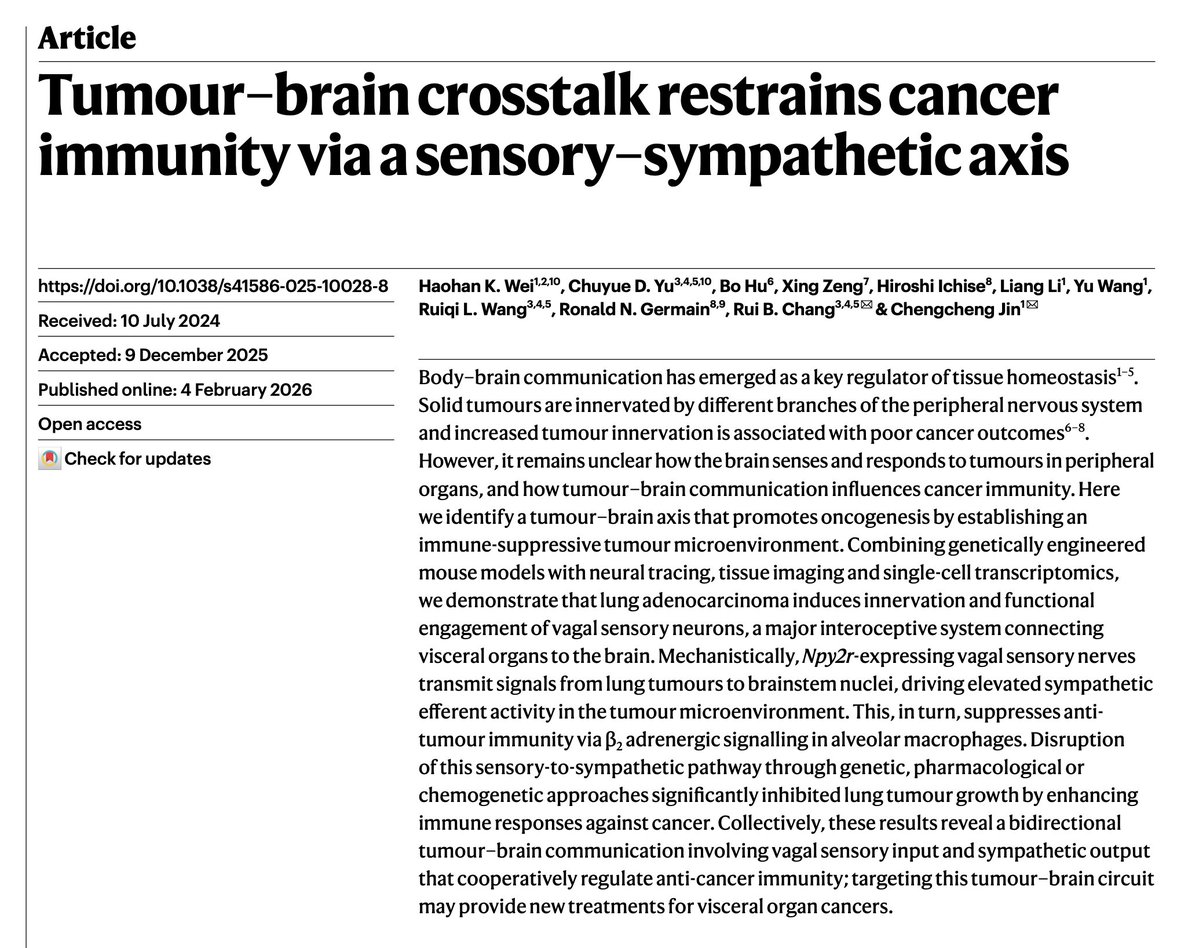
Un tumor envío señales nerviosas por vía simpática para reprogramar a un grupo de células (macrófagos alveolares) para que frenen a los linfocitos T que lo estan atacando. Este fue un hallazgo de un grupo de investigadores de adenocarcinoma de pulmón en modelo ratón publicado en febrero 2026.

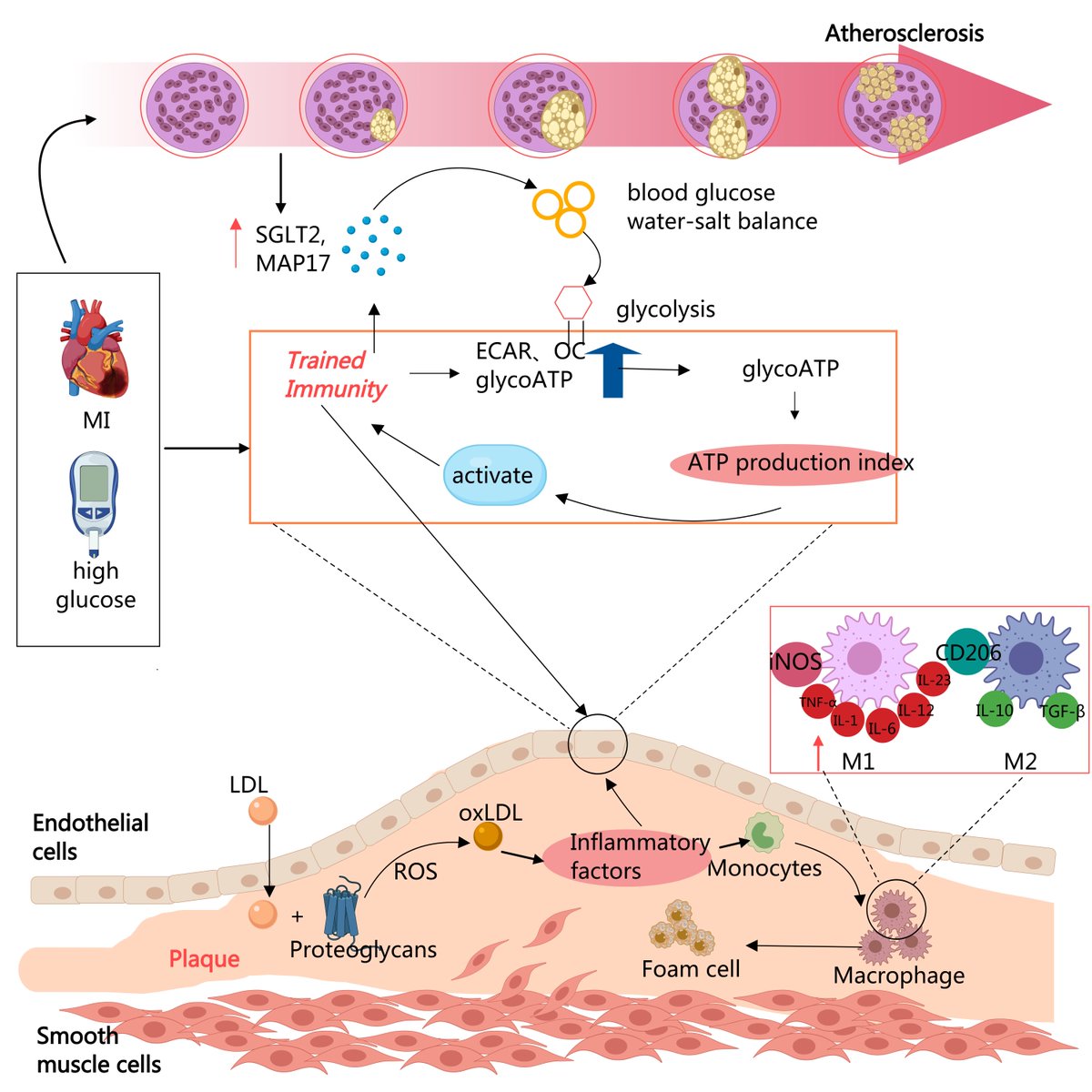
MAP17 drives a novel SGLT2–glycolysis axis that fuels trained immunity and accelerates atherosclerosis under hyperglycemia. Targeting MAP17 may break the metabolic–inflammatory loop in diabetic vascular disease ahajrnls.org/4AdIwp1
#WCLC26 🌟First report of a combination of a #bispecific targeting PDL1 x VEGF (pumitamig) plus a B7-H3.l ( Elfie-D) #ADC in ES-SCLC, producing excellent responses in all lines of treatment and especially 1L with tolerable toxicity profile. Requires longer follow up to evaluate long-term tolerability of ADCs and the contribution of the bispecific component. Challenging to see how this combo will fit into the TCE in 1L era


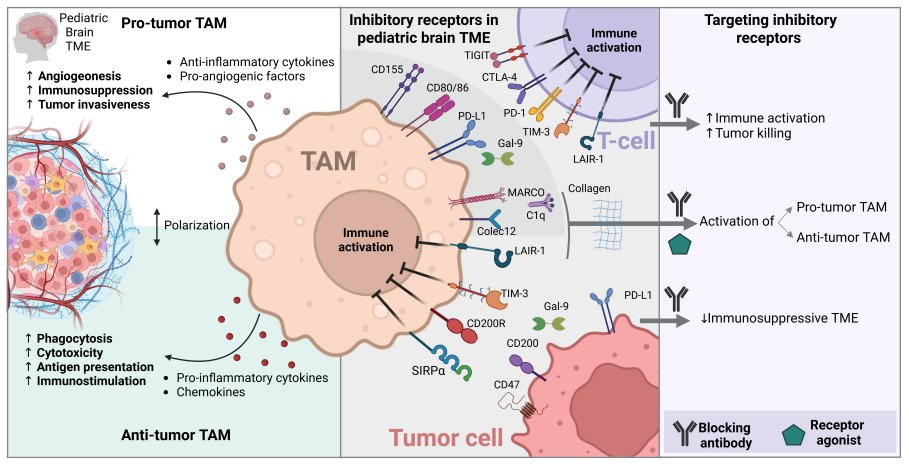
@jitcancer @PathologyPat I still don’t understand why targeting TAMs isn’t considered a priority in oncology.

New #JITC article: "TAMing the tumor: targeting immune inhibitory receptors on tumor-associated macrophages in pediatric brain tumors – an emerging immunotherapy strategy" doi.org/10.1136/jitc-2…
🧬 Not all “pro-inflammatory” macrophages are anti-tumor. In ovarian cancer, a metastasis-associated inflammatory macrophage population may actively reprogram the peritoneal barrier to facilitate tumor invasion. A new Cell Death & Disease study identifies a striking communication circuit: IL-1α⁺ metastatic TAM → mesothelial cell → autocrine TGFβ → mesothelial-to-mesenchymal transition (MMT) → ovarian cancer invasion The work challenges the simplified idea that: M1 macrophage = anti-tumor M2 macrophage = pro-tumor. Instead, macrophage function appears strongly dependent on anatomical and cellular context. 🔬 Ascites and metastatic omentum contain very different macrophages The investigators performed scRNA-seq on matched tumor-associated macrophages from: ascites (ascTAMs) versus omental metastases (omTAMs) from high-grade ovarian cancer patients. Among 10,506 cells, they identified 11 TAM clusters with striking compartment-specific organization. Ascitic macrophages predominantly showed: M1low / M2high features. But metastatic omental TAMs displayed a much more inflammatory: M1⁺ / M2⁺ mixed phenotype. The UMAPs and M1/M2 maps in Figure 1, page 3 make this spatial polarization particularly clear. This matters because the metastatic macrophages were enriched for an entirely different functional program. 🔥 Omental TAMs carry a mesothelial-reprogramming signature Ovarian cancer commonly spreads through the peritoneal cavity. Before tumor cells can invade the omentum, however, they must overcome the protective mesothelial monolayer. One mechanism is: Mesothelial-to-mesenchymal transition (MMT) where mesothelial cells lose epithelial/barrier properties and acquire fibroblast-like, contractile and pro-invasive characteristics. The authors found that omTAMs were enriched for MMT-associated mediators including: MMP2 MMP9 WNT5A TNF IL1A TGFB2 PDGFA/B CCL5. Importantly, this MMT-driver program was concentrated in the M1⁺/M2⁺ metastatic macrophage population, rather than conventional M2-like ascitic TAMs. So the unexpected model becomes: pro-inflammatory macrophage → pro-metastatic stromal remodeling. 🧫 And the effect was functional—not merely transcriptomic. Conditioned medium from either experimentally generated M1 macrophages or patient-derived omTAMs transformed primary mesothelial cells. Mesothelial cells changed from their normal cobblestone morphology toward an elongated fibroblast-like phenotype. They showed: CDH1 ↓ KRT19 ↓ and: FN1 ↑ SNAI1 ↑. They also became more contractile. Most importantly: reprogrammed mesothelial cells allowed greater ovarian cancer-cell invasion through the mesothelial layer. Figure 4 on page 6 nicely connects the entire phenotype: omTAM secretome → morphology change → epithelial-marker loss → mesenchymal-marker gain → collagen contraction → tumor invasion. This converts macrophage heterogeneity into a biologically meaningful metastatic mechanism. 🧬 Which macrophage factor drives MMT? Proteomic profiling identified 123 proteins increased in inflammatory macrophage-conditioned medium, including 27 secreted EMT-associated factors. Several inflammatory cytokines could partially alter mesothelial morphology: IL-1α IL-1β TNFα IFNγ. But the decisive experiment was neutralization. Only IL-1α blockade significantly suppressed macrophage-induced MMT. Neutralizing IL-1α reduced: mesenchymal morphology FN1 expression collagen contraction. Blocking IL-1β or TNFα did not reproduce this effect. Figure 6 on page 8 is particularly compelling: IL-1α neutralization shifts mesothelial cells back toward their epithelial phenotype and reduces contractility. Patient-derived data reinforced the result. IL-1α secretion was significantly higher in omTAMs than ascTAMs, while single-cell data localized IL1A predominantly to metastatic omTAM clusters. And histology showed: CD68⁺ / IL-1α⁺ macrophages adjacent to peritoneal micrometastases. The clinical images in Figure 7, page 10 provide an important bridge from the in-vitro mechanism back to human disease. 🔄 But IL-1α does not act alone. This is where the mechanism becomes especially interesting. Inflammatory macrophages activated two parallel signaling systems in mesothelial cells: IL-1α → ERK + p38 MAPK and TGFβ → SMAD Pharmacological inhibition of MEK, p38 or TGFβ signaling attenuated MMT, with the strongest effect produced by TGFβ blockade. But where was all the TGFβ coming from? Surprisingly: the mesothelial cell itself. Mesothelial cells were a major TGFβ1 source, and exposure to inflammatory macrophages increased mesothelial: TGFβ1 secretion ↑ and TGFBR1 expression ↑. Thus macrophage IL-1α effectively converts the mesothelial cell into its own MMT amplifier: IL-1α ↓ IL1R1 → ERK/p38 ↓ TGFβ production ↑ + TGFBR1 ↑ ↓ autocrine TGFβ/SMAD ↓ self-reinforcing MMT This is beautifully summarized in Figure 8E on page 11. 🔥 The synergy experiment is probably the strongest mechanistic result. Neither recombinant IL-1α nor TGFβ alone completely reproduced macrophage-induced MMT. But: IL-1α + TGFβ → full MMT phenotype. Conversely: IL-1α blockade + TGFβ inhibition → essentially complete suppression of macrophage-induced MMT. Only combined IL-1α + TGFβ stimulation reproduced the strong collagen-contractile phenotype produced by inflammatory macrophages. So the proposed metastatic circuit becomes: Omental metastatic niche ↓ M1⁺/M2⁺ inflammatory TAM ↓ IL-1α ↓ mesothelial ERK/p38 activation ↓ TGFβ ↑ + TGFBR1 ↑ ↓ autocrine TGFβ/SMAD amplification ↓ MMT ↓ mesothelial barrier disruption ↓ transmesothelial ovarian cancer invasion That is a compelling example of a tumor exploiting immune–stromal communication, rather than tumor-cell-autonomous signaling, to establish metastasis. 💊 Could IL-1α therefore be therapeutically targeted? Potentially—but the timing may be crucial. IL-1α-neutralizing approaches such as bermekimab, and IL-1 receptor blockade such as anakinra, provide pharmacological precedent. However, previous IL-1α blockade in advanced metastatic cancer has not produced convincing tumor-directed efficacy; a phase III colorectal cancer study was terminated for futility. The authors therefore raise a more interesting therapeutic hypothesis: IL-1α blockade may be better suited to preventing metastatic niche formation than shrinking established tumors. For ovarian cancer, that could mean exploring it in an: adjuvant / minimal residual disease / early dissemination setting rather than late-stage refractory disease. The therapeutic objective would change from: kill established tumor to: prevent the peritoneum from becoming permissive to metastatic implantation. ⚠️ Important caveats The mechanistic work relies heavily on in-vitro conditioned-medium and coculture systems. The authors acknowledge that these cannot reproduce the full spatial and cellular complexity of the ovarian TME. The primary scRNA-seq discovery dataset also involved only three patients, although several findings were validated with additional patient-derived macrophages, proteomics, external single-cell datasets and clinical histology. Most importantly, there is not yet an in-vivo demonstration that: IL-1α inhibition → MMT ↓ → ovarian metastasis ↓. That is the crucial next experiment. Still, the conceptual message is strong: Inflammation is not synonymous with antitumor immunity. A macrophage can simultaneously exhibit an inflammatory/M1-like program and promote metastasis by remodeling surrounding stromal cells. The classical: M1 = good M2 = bad framework therefore misses the real biology. A better model is: TAM phenotype × anatomical niche × secretome × target cell = biological function. And in ovarian cancer, an IL-1α⁺ inflammatory macrophage → mesothelial TGFβ feedback circuit may help transform a protective peritoneal barrier into a metastatic niche. 📄 Heidemann S, Finkernagel F, Steitz AM, et al. A pro-inflammatory metastasis-associated macrophage subset induces tumor-promoting mesothelial cell conversion in ovarian cancer via IL-1α secretion. Cell Death & Disease. 2026;17:794. DOI: 10.1038/s41419-026-09280-1 #OvarianCancer #CancerResearch #TumorMicroenvironment #Macrophages #TAM #IL1alpha #TGFbeta #Metastasis #MMT #CancerImmunology #SingleCell #Proteomics #CellDeathDisease


It is possible hematopoietic aging could reflect replacement of a niche-maintaining macrophage population rather than deterioration of HSCs alone. When embryonic macrophages were absent, HSCs cycled more, apparently compensating for the reduced numbers. nature.com/articles/s4146…
Pain producing neurons around #cancer generate immune suppressive molecules... The neuroimmunology of cancer is crazy...and its an area that is highly overlooked.... nature.com/articles/s4158…
Macrophages eating living cells...NATURE paper ! nature.com/articles/s4158…

FDA clears trial of dual-targeted CAR T-cell therapy for cancer news-medical.net/news/20260911/…
🧬 IGF signaling is far more than a “growth pathway.” It may be one of biology’s central switches connecting nutrition, metabolism, tissue repair, aging—and cancer. A comprehensive 2026 review in Signal Transduction and Targeted Therapy maps the IGF/IGFR signaling network from basic physiology to disease and therapeutic development. At its core, the system contains: IGF1 + IGF2 → IGF1R / InsR → IRS & SHC → PI3K–AKT–mTOR + RAS–RAF–MEK–ERK with IGFBP1–6, proteases such as PAPPA/PAPPA2, and IGF2R controlling ligand availability and turnover. But the key message is that this is not a linear signaling pathway. 🔥 IGF is a signaling hub. The network communicates extensively with: Insulin EGFR HER2 PDGFR VEGF JAK–STAT TGF-β/BMP Wnt/β-catenin Notch ROR1 and these interactions can fundamentally change the biological output of IGF signaling. The network diagram on page 7 captures this complexity particularly well: IGF1R/InsR sit inside an interconnected signaling architecture converging on AKT, ERK, STAT and transcriptional programs governing metabolism, proliferation, differentiation and survival. This helps explain an apparent biological paradox. 🧓 Lower IGF signaling can promote longevity… Reduced insulin/IGF signaling is among the most conserved longevity mechanisms across species. In C. elegans, disruption of the IGF1R-related DAF-2 pathway can approximately double lifespan. Reduced IGF signaling also extends lifespan in flies, while mammalian effects show important sex dependence: reduced IGF1/IGF1R activity preferentially improves lifespan and healthspan in female mice. Remarkably, late-life IGF1R antibody treatment also extended lifespan and healthspan selectively in female mice. PAPP-A provides another fascinating example. Because PAPP-A cleaves IGFBPs and thereby increases local IGF bioavailability: PAPP-A loss → local IGF signaling ↓ → lifespan ↑ in mouse models. But simultaneously… 💪 IGF signaling is essential for maintaining tissues. Exercise can increase circulating and locally produced muscle IGF1, supporting: muscle repair hypertrophy anabolic adaptation. Even the vascular component matters for muscle aging: endothelial-specific IGF1R deficiency disrupts microvascular homeostasis, reduces skeletal-muscle perfusion and impairs exercise endurance—potentially relevant to age-related sarcopenia. Similarly, IGF1/IGF1R contributes to: bone mechanotransduction osteoblast function fracture repair cardiac function vascular homeostasis neural survival. So the aging biology is not simply: IGF ↓ = good. It is closer to: Too much chronic growth signaling may accelerate aging, while insufficient tissue-specific IGF signaling compromises maintenance and regeneration. 🧠 Alzheimer’s disease illustrates this paradox beautifully. IGF1 can reduce Aβ production through BACE1 downregulation and inhibit tau hyperphosphorylation through GSK3β suppression. IGF2 may also preserve cholinergic function and appears reduced in AD brains. Yet experimental reduction of neuronal IGF1R signaling can also enhance Aβ clearance and attenuate AD pathology. Again: ligand ≠ receptor abundance ≠ pathway activity ≠ tissue-specific biological outcome. Context matters. 🧬 Cancer exploits the same system. IGF signaling can support: proliferation survival stemness angiogenesis invasion metastasis therapy resistance. In NSCLC, for example, IGF1R overexpression has been associated with tumor progression, recurrence and poorer survival. IGF1R can also induce the immunosuppressive protein B7-H4 through MEK/ERK, while IGF2–IGF1R signaling contributes to acquired EGFR-TKI resistance. An especially interesting resistance circuit is: IL-6 → IGF1/2 ↑ → IGF1R → STAT3 → IGF1R transcription ↑ creating an autocrine IL-6/IGF1R/STAT3 loop capable of supporting EMT and EGFR-TKI resistance. This is highly relevant to precision oncology because IGF1R can function as a bypass pathway rather than the original oncogenic driver. For EGFR-mutant lung cancer: EGFR inhibition ↓ adaptive IGF1R signaling ↓ survival and preclinical transient IGF1R inhibition plus osimertinib has shown strong activity in selected contexts. 💊 So why did IGF1R cancer drugs largely disappoint? This may be the most instructive part of the review. Multiple anti-IGF1R antibodies reached clinical development: figitumumab cixutumumab ganitumab dalotuzumab R1507 along with IGF1R/InsR TKIs and ligand-neutralizing strategies. Yet most oncology programs failed to produce durable clinical success. The biology explains why. 1️⃣ InsR-A provides an escape route Cancer cells can redirect signaling through: IGF2 → InsR-A when IGF1R is blocked. IGF1R/InsR hybrid receptors further complicate inhibition. 2️⃣ Other RTKs compensate EGFR, HER2 and integrins create redundant signaling networks. 3️⃣ Downstream mutations bypass the receptor PI3K mutation / PTEN loss → AKT signaling persists even when IGF1R is inhibited. 4️⃣ Dual IGF1R/InsR inhibition creates metabolic toxicity IGF1R and InsR kinase domains are highly homologous. Blocking both can produce: hyperglycemia + insulin resistance → dose reduction → insufficient antitumor exposure. 5️⃣ Perhaps most importantly: patients were poorly selected. Many trials treated molecularly unselected populations, despite IGF dependence being profoundly context-specific. The authors identify inadequate biomarker stratification as a major contributor to clinical failure. This may be the central translational lesson: The failure of first-generation IGF1R drugs does not necessarily mean the IGF axis is a bad target. It may mean that “IGF1R-positive cancer” was the wrong biomarker. 🎯 The future may therefore be precision modulation—not global blockade. The organ-level schematic on page 15 makes the challenge obvious: the same IGF network participates in cancer, metabolism, cardiovascular biology, skeletal muscle, bone, immunity and neurobiology. Systemically turning IGF signaling simply ON or OFF is therefore biologically crude. A better framework may be: Which ligand? Which receptor/isoform? Which IGFBP? Which cell type? Which downstream state? Which disease stage? Which compensatory pathway? Then intervene selectively. This is particularly important for aging and sarcopenia. The therapeutic goal may not be to globally raise IGF1—potentially enhancing unwanted proliferative signaling—or globally suppress it and compromise muscle/bone repair. Instead: Preserve regenerative IGF signaling in muscle, vasculature and bone while suppressing maladaptive IGF signaling in tumors or other pathological compartments. That is a fundamentally different therapeutic concept. And it fits the review’s broader conclusion: IGF is not simply a growth factor pathway. It is a context-dependent systems-level regulator of the trade-off between growth, metabolism, repair, disease and longevity. The next generation of IGF therapeutics will probably succeed only when we stop asking: “Should IGF signaling be activated or inhibited?” and start asking: “Where, when, and in which molecular context should we modulate it?” 📄 Dilawar M, Malik A, Liao J, et al. Insulin-like growth factor receptor signaling in physiology and disease. Signal Transduction and Targeted Therapy. 2026;11:375. DOI: 10.1038/s41392-026-02843-w #IGF1 #IGF1R #IGF2 #IGFBP #Aging #Longevity #Sarcopenia #CancerMetabolism #CancerResearch #NSCLC #InsulinResistance #Geroscience #PrecisionMedicine #SignalTransduction


1/ I would LOVE to write a other thread about $BNTX PD-L1/VEGF bispecific (Pumitamig) + elfe-d B7H3 ADC combo in advanced SCLC, but I am taking way too much time of my vacation for these posts. I'll restrict it to source material: apexonco.com/node/2339/ onclive.com/view/pumitamig…

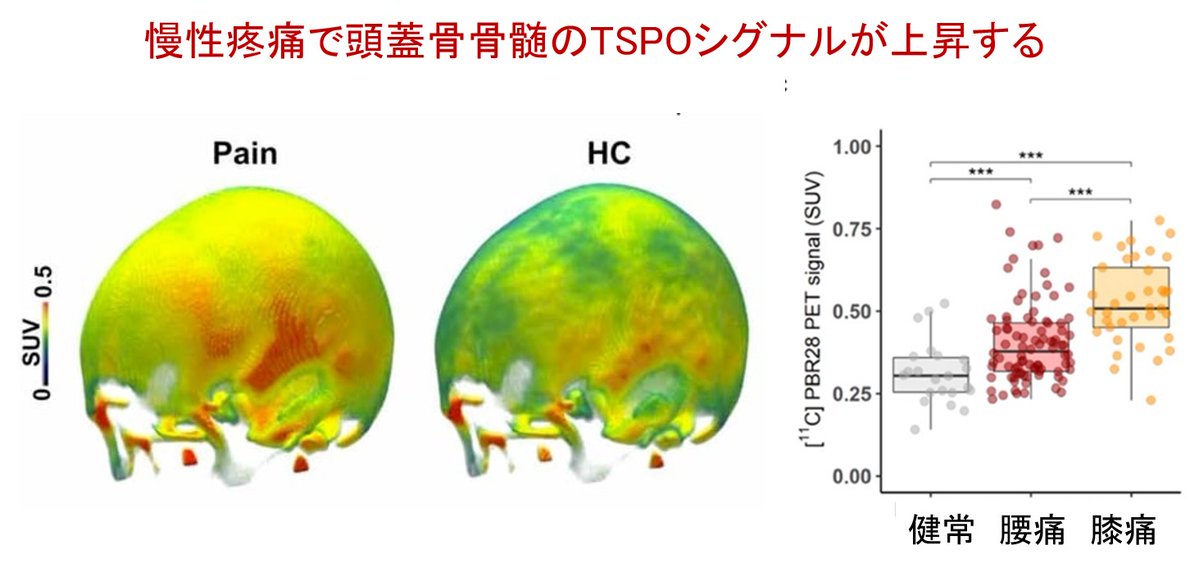
頭蓋骨骨髄は「脳のすぐ隣の免疫器官」である―Nature論文と慢性疼痛研究が示す新しい神経免疫の世界 - 2つの論文を合わせると,#頭蓋骨骨髄 が自然免疫と獲得免疫の双方に関わる,脳に最も近い免疫監視拠点である可能性が浮かび上がります.慢性疼痛だけでなく,認知症,脳卒中,脳腫瘍,自己免疫性脳炎,神経変性疾患などでも,頭蓋骨骨髄がどのように関与するのか注目されます.pkcdelta.hatenablog.com/entry/2026/09/…

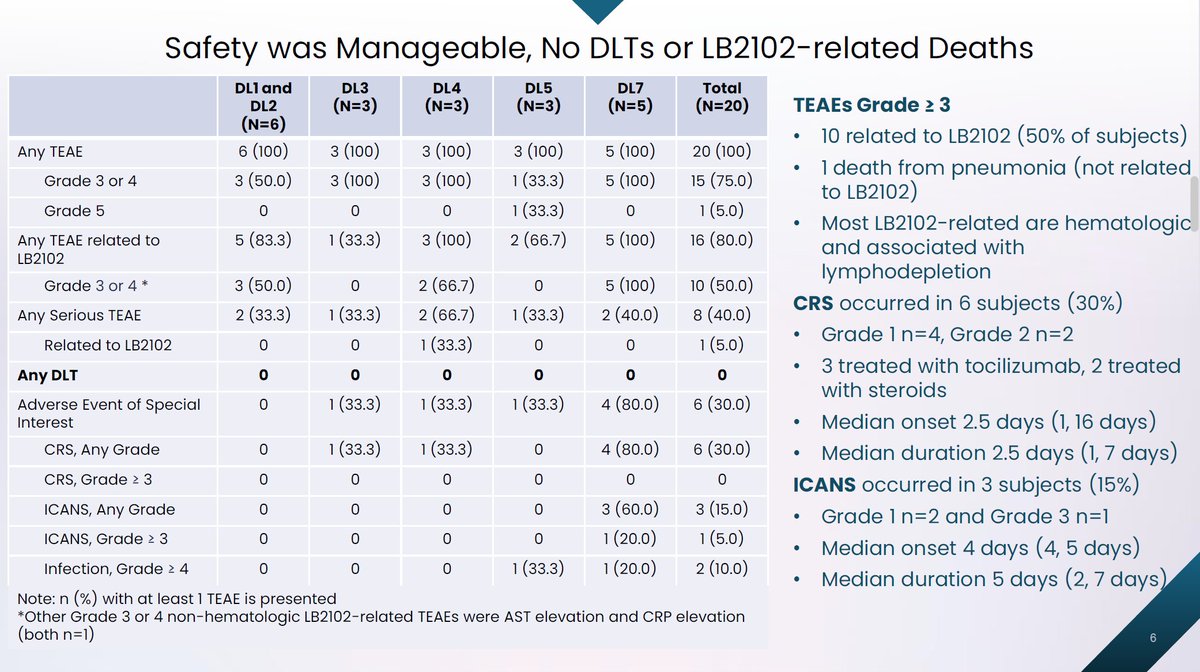
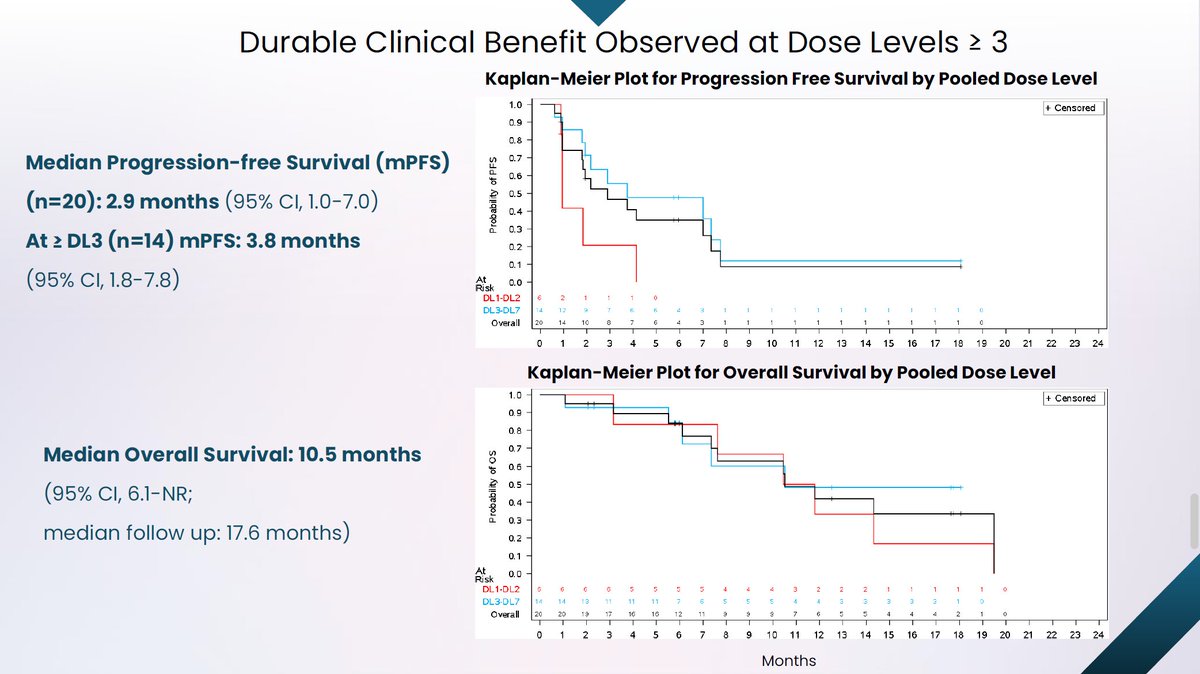
🆙#WCLC26 #LCSM Oral Session 🔥Phase 1 Study of LB2102, a dnTGFBR2-armored DLL3-targeted Autologous CAR-T Cell Therapy, in Subjects With Relapsed or Refractory SCLC or LCNEC 🎙️Dr. Alberto Chiappori 🔢OA05.02 🎯Overall ORR SCLC 33.3%, LCNEC 0% ☑️NCT05680922 🔗 cattendee.abstractsonline.com/meeting/21487/… @OncoAlert @Larvol @IASLC


Crazy Nature paper...killing tumor associated bacteria by liposome tumor-targeted antibiotics increases tumor immunogenicity and killing by immune system. nature.com/articles/s4158…

What if T cells could eliminate tumors without recognizing tumor-specific antigens at all? Immunotherapy has traditionally relied on tumor-specific T cells—or engineering T cells to recognize a defined tumor antigen. This study challenges that paradigm. Researchers show that activating unexhausted, bystander T cells within tumors can drive tumor elimination even in the absence of tumor-specific TCRαβ⁺ T cells. Rather than killing through conventional antigen recognition, robust T-cell activation triggered a broader immune cascade: recruitment of additional immune cells, activation of innate leukocytes, and production of a tumoricidal combination of IFN-γ, TNF, and nitric oxide, ultimately inducing caspase-dependent tumor cell death and panoptotic pathways. Even more intriguing, the gene-expression signatures associated with this response in mice were predictive of survival in patients with melanoma. The bigger story is a potential shift in how we think about cancer immunotherapy: Perhaps the T cell does not always need to recognize the tumor—it may simply need to be productively activated within the tumor. 🎯 That opens a fundamentally different therapeutic strategy: instead of generating or rescuing cancer-specific T-cell responses, could we harness the tumor microenvironment itself to turn bystander immunity into a coordinated antitumor weapon? A provocative concept—and one that could reshape how we think about “tumor specificity” in immunotherapy. nature.com/articles/s4159…
🧬 What if mitochondrial ATP does more than power T cells—what if it directly helps determine their identity by controlling chromatin accessibility? A fascinating new Cell study provides a mechanistic bridge between immunometabolism and epigenetics, showing that mitochondrial ATP production can support the chromatin remodeling required for CD8⁺ T-cell effector differentiation. The key molecule is D-α-hydroxybutyrate (DAHB). Rather than functioning primarily as a fuel, DAHB acts as a metabolic signal that reprograms activated CD8⁺ T cells: DAHB → OXPHOS ↑ → fatty-acid oxidation ↑ → phosphocreatine ↑ → local ATP buffering → BAF-dependent chromatin remodeling → effector genes ↑ → stronger antitumor immunity. That is a remarkable metabolism-to-chromatin circuit. 🔥 DAHB pushes CD8⁺ T cells toward a cytotoxic phenotype DAHB strongly increased: Perforin IFN-γ TNF-family members GZMB CCL3/CCL4 and DAHB-pretreated OT-I cells showed approximately 3-fold greater tumor-cell cytotoxicity. But the metabolic mechanism was unexpected. DAHB increased ATP-coupled mitochondrial respiration while suppressing glycolysis. Estimated ATP production shifted substantially: OXPHOS-derived ATP ↑ ~82% glycolytic ATP ↓ ~23%. Stable-isotope tracing showed that DAHB itself was not meaningfully oxidized through the TCA cycle. Instead, it doubled fatty-acid oxidation and redirected glucose away from lactate production toward biosynthetic pathways, including the pentose-phosphate and serine/glycine pathways. So: DAHB is not primarily the fuel. It changes which fuels the T cell uses. ⚡ Then comes the central discovery: phosphocreatine Untargeted metabolomics identified phosphocreatine (PCr) as the most strongly induced metabolite after DAHB treatment. This is intriguing because the creatine–phosphocreatine system is usually associated with tissues such as skeletal muscle, heart and brain, where it rapidly transports and buffers high-energy phosphate. Here, activated T cells appear to exploit the same system. DAHB increased: OXPHOS → mitochondrial ATP → PCr ↑ → CKB ↑ and blocking phosphocreatine production with cyclocreatine or creatine-kinase inhibition: ⬇️ perforin ⬇️ IFN-γ ⬇️ tumor killing. Even more interestingly, CKB accumulated near the nuclear envelope, with DAHB producing >6-fold enrichment of CKB–Lamin B1 proximity signals. This suggests that PCr may function as an intracellular energy shuttle: mitochondria → PCr → nucleus → ATP delivering energetic capacity precisely where ATP-consuming nuclear processes occur. 🧬 And one of those processes is chromatin remodeling ATAC-seq showed that DAHB increased chromatin accessibility at key effector loci: Prf1 Ifng Tnf while inhibition of PCr synthesis largely reversed these changes. The investigators then targeted the ATP-dependent BAF/mSWI-SNF chromatin remodeling complex. Both BAF degradation and inhibition of its BRG1/BRM ATPase activity reduced DAHB-induced perforin and IFN-γ and eliminated the increased accessibility of effector loci. This creates an elegant mechanistic sequence: FAO ↓ mitochondrial OXPHOS ↓ ATP ↓ phosphocreatine ↓ nuclear ATP buffering ↓ BAF chromatin-remodeling activity ↓ open Prf1 / Ifng / Tnf loci ↓ CYTOTOXIC T-CELL DIFFERENTIATION The graphical abstract on page 1 captures this beautifully: mitochondrial ATP is converted into a PCr-based energetic shuttle that connects mitochondrial metabolism to nuclear BAF activity and ultimately cytotoxicity. 🎯 The antitumor consequences were substantial Ex vivo DAHB conditioning of antigen-specific OT-I cells improved control of EL4-OVA tumors after adoptive transfer. DAHB also enhanced anti-CTLA-4 therapy in immunocompetent MC38 colorectal cancer and B16 melanoma models, whereas this benefit disappeared in lymphocyte-deficient RAG2-KO mice—supporting an adaptive immune mechanism. Figure 6 on page 11 is especially compelling: DAHB improves tumor control across adoptive-transfer and checkpoint-blockade experiments. And the TIL phenotype is interesting. DAHB-treated tumors contained CD8⁺ T cells with: ⬆️ CD44 ⬆️ TCF1 ⬆️ antigen-specific gp100⁺ cells ⬇️ PD-1⁺CD39⁺ cells ⬆️ polyfunctional IFN-γ⁺TNF-α⁺ responses ⬆️ T-bet. Importantly, residual PD-1⁺CD39⁺ cells expressed more TCF1, suggesting enrichment toward a precursor-exhausted rather than terminally exhausted state. 👨⚕️ And the biology translated to human T cells Under chronic stimulation, DAHB-treated human CD8⁺ T cells maintained: IFN-γ ↑ TNF-α ↑ PCr ↑ ATP/ADP better preserved and cyclocreatine partially reversed these effects. Human CD8⁺ T cells engineered with the NY-ESO-1-specific 1G4 TCR also showed greater cytokine production and stronger killing of A375 melanoma cells after DAHB treatment. Most importantly, in an A375 xenograft model: DAHB alone → little effect on tumor growth but 1G4 T-cell ACT + DAHB → significantly improved tumor control. That distinction argues that DAHB is functioning primarily as a metabolic adjuvant for T cells, rather than simply acting directly on cancer cells. 💡 The conceptual implication is broader than DAHB We often describe mitochondrial metabolism as providing enough ATP for cells to “function.” This study suggests something more specific: Energy availability can regulate cell fate because chromatin remodeling itself has an energetic cost. ATP is therefore not merely downstream fuel for an already differentiated effector T cell. Mitochondrial energy production may participate directly in establishing the epigenetic accessibility required to become and remain an effector cell. That has potentially important implications for: CAR-T manufacturing TCR-engineered T cells tumor-infiltrating lymphocytes checkpoint blockade metabolic preconditioning of adoptive cell therapies. Instead of engineering only receptors and signaling domains, perhaps we should also engineer the bioenergetic infrastructure that maintains their chromatin state. There are important caveats. The molecular sensor through which DAHB activates mitochondrial ETC activity remains unknown. The concentrations used experimentally were high, whether microbiota-derived DAHB ever reaches comparable concentrations in vivo is unclear, and the safety/tolerability of therapeutic systemic DAHB in humans remains untested. Still, the mechanistic concept is striking: MITOCHONDRIA → ATP → PHOSPHOCREATINE → BAF → CHROMATIN ACCESSIBILITY → T-CELL FATE → ANTITUMOR IMMUNITY Metabolism and epigenetics are not separate layers of T-cell biology. They may be connected by something as fundamental as where ATP is produced—and where that energy is delivered. 📄 Ng C, Fung TS, Li D, et al. Mitochondrial ATP promotes T cell differentiation through chromatin accessibility. Cell. 2026;189. DOI: 10.1016/j.cell.2026.08.023 #CancerImmunology #Immunometabolism #TCells #Mitochondria #OXPHOS #Phosphocreatine #Chromatin #Epigenetics #BAF #TCellExhaustion #Immunotherapy #CART #CellTherapy #CancerMetabolism

Dr. Thomas Ichim @exosome
38K Followers 40K Following President and Chief Scientific Officer of Immorta Bio Vitalist https://t.co/fbVtWsFQw4 503 patents 4 Exits https://t.co/GHnwkq884f
Bruno Ramos-Molina, P... @Brunorm84
7K Followers 5K Following Group Leader of the Obesity, Diabetes and Metabolism Lab at the Biomedical Research Institute of Murcia (IMIB) | PI & Research Professor (Tenured)
Prasad @durban_prasad
22 Followers 700 Following
오창명 @changmyung1981
1K Followers 1K Following M.D.,Ph.D. Department of Biomedical Science and Engineering, Gwangju Institute of Science and Technology.


Nancy H @dHd2qGAOXDSsvSA
22 Followers 1K Following little bit feral, mostly floral 🌼 always follow back
Ying Cao @NeuralGrndState
547 Followers 429 Following My rubbish research: the core property of cancer cell is neural stemness, which determines pluripotency&tumorigenicity. EMT/MET/EndMT are groundless 'concepts'
Medical Sciences @medsci_MDPI
1K Followers 991 Following Medical Sciences is an international #openaccess journal publishing advances in basic, translational & clinical medical research. By @MDPIopenaccess.
Iñaqui Jiménez-Loyg... @InaquiConQ
428 Followers 693 Following Sometimes Juan Ignacio. Postdoctoral fellow at @CNIOStopCancer @Gsabiolab. Investigating why our cells eat themselves. 🌱. 🏳️🌈. 🍉. (he/him)
Yang Zhao @YangZhao102
207 Followers 197 Following T cell engineering & cytokine signaling|Assistant Professor @Tsinghua_Uni | Postdoc @Stanford_MCP |CRI fellow @CancerResearch | PhD @EPFL
Center for Epigenomic... @CEpigenomics
2K Followers 532 Following Est. @UC San Diego to answer human health and science questions through epigenomic research, tech & partnerships. https://t.co/MC9Q0wHNiA (Director: Bing Ren)
Sara Elizabeth Siegle... @sesiegler
4K Followers 5K Following Personal account of the CEO/Owner of @SES_HQ. Co- Chair. Ceiling smasher, recovering equestrian, former whistleblower, pickleballer, & pemphigus patient.
Nelumbo nucifera @punkkauz
52 Followers 112 Following Longevity sci enthusiast. Bioinformatician.... 'What is your destiny?You are not just an individual but you represent all lives. Where are you taking them?'
Jeremy Cliffe @Jeremy_L_cliffe
37 Followers 325 Following Financing, Business, and personal needs. Expert in mortgages, business loans, and financial growth strategies.
Miner Lab @miner_lab
2K Followers 2K Following Mechanisms & therapies for rare rheumatic diseases. Chair, Gene Therapy and Vaccines (GTV) Graduate Program @CAMBUPenn @UPenn_I3H @pennmedicine @rvcl_research
Jon Hershon @jonathanhershon
6K Followers 5K Following VP Clinical AI @doximity, prev CEO @pathwaymedical (acq. Doximity)
Dmitry Kovalchuk @DmitryKovalchuk
2K Followers 953 Following Stocks, private equity, economics, and international politics. Personal views only. P.S. Don't follow my investment ideas, my investments lose money regularly.
David Sinclair @davidasinclair0
44 Followers 368 Following Professor @Harvard researching why we age & how to reverse it. Author & host of Lifespan. Mission: Extend healthy life for all.Views are entirely his own ✌🙏
Klebanoff_Lab @KlebanoffLab
3K Followers 2K Following A translational research lab @MSKCancerCenter focused on the immunobiology and therapeutic potential of genetically engineered #Tcells and #TCRs. Est.2016 @NYC.
Upasana DasAdhikari @UpasanaDA
604 Followers 1K Following NIDDK K99/R00 fellow-Mucosal Immunology_Immunometabolism-specializing in organoids modelling of human _KwonLab@Ragon Institute of MGH, Harvard& MIT
Frank George @frank_george927
68 Followers 735 Following God❤️family ❤️fitness Support & athletes 🏃♀️ Gym freak🏋️♀️ Active & devoted 😊 Animal lover🐕🦺music lover, single dad a beautiful girl 👨👧
Razelle Kurzrock, MD @Dr_R_Kurzrock
9K Followers 7K Following Momx7 (4 children; 3 dogs); wife; Director, Center, Precision Oncology/Rare Cancers; CMO WIN; physician, not provider; CureMatch (cofounder); opinions mine
Delvys Rodriguez Abre... @delvysra
1K Followers 626 Following A lung cancer medical oncologist. Engaged with patients hope. Father. Founder @FCCPulmon
Yoshihisa Okazaki @XX62
2K Followers 3K Following 消化器内科医・モナドロジスト・医学博士・数学修士・岡崎能久 MD・PhD・MS 東北大学医学部(1-2年)大阪大学医学部3年次編入卒 千葉大学数学科・大阪大学大学院修士(数学)近畿大学病院・羽曳野医療センターetc勤務 岡山県金光学園中高卒 広島県福山市鞆町(岡崎雄志郎宅) 中高数学専修免許 医師免許(2001)
Stevenlucas @Stevenluca37105
37 Followers 1K Following I,m always smiling and looking the brightest side of the earth
Navonil DS @Navonilde
389 Followers 698 Following (Pronouns He/Him). DAD/Husband/Scientist @ProstateCancer @CancerGenomics @Biomarker_Research @Mountain_Lover @DNA repair @Signature 'tweet are mine'
Pat Adams @PathologyPat
2K Followers 5K Following Product Development New England, Naveris, NavDx, minimal residual disease monitoring in head and neck cancer
Frontiers in Bioscien... @Landmark_IMR
591 Followers 929 Following Open access journal for cellular and molecular biology, Indexed in SCIE, PubMed, Scopus and more. COPE member IF: 4.1 💌 [email protected]
Jitendra K Meena @jitendrakmeena
117 Followers 360 Following Cancer researcher in RNA biology, Houston | interested in developing therapeutics based on RNA degradation
Biologyto @thebiologyto
29 Followers 219 Following Welcome to house of biology 🧫 A breathing ecosystem of knowledge 🧪 Your exploration of the extraordinary begins here 🌻 Join us and live biology 🧬
Göktuğ @GuvercinGoktug
1K Followers 522 Following AI Engineer | MSc @TU_Muenchen & @imperialcollege 👨🏼💻| Computer Vision, Large Language Models. Instagram: goktugguvercin
ROS1 Cancer @ROS1CancerSpain
148 Followers 1K Following Because everyone deserves the best diagnosis and the best treatment for their disease. #ROS1 advocate. #ROS1agnostic
Neuroendocrine Cancer... @ncukcharity
5K Followers 5K Following Supporting the #Neuroendocrine Cancer community, incl diagnosis, access to best treatment & care - and stimulating research. Helpline 0800 434 6476
NET Cancer Day @netcancerday
6K Followers 3K Following Worldwide NET Cancer Awareness Day is an awareness-raising event coordinated by INCA, the International Neuroendocrine Cancer Alliance.
Jessica Duarte @JessDGDuarte
1K Followers 2K Following Laboratory Head @monashSTM working on B cell tumour immunology, tertiary lymphoid structures, and protein microarrays
Lingshuang Chen @LCbio
21 Followers 65 Following 📖PhD student @Sutherland_Lab @WEHI_research 👩🔬Bioscientist / small cell lung cancer / single cell technology | Views are my own
Elias Orouji @orouji
2K Followers 2K Following Epigenomics Lead at Princess Margaret Cancer Centre @pmcancercentre @uhn | University of Texas MD Anderson Cancer Center @MDAndersonNews | DKFZ @dkfz alumnus
Isabel Puig Borreil @IPuigBorreil
726 Followers 840 Following Senior Investigator at @VHIO. Co-founder of @OniriaTx. Investigating non-genetic cancer persistence. @ipuigborreil.bsky.social
TIAN TIAN @vicenttianfr
581 Followers 834 Following M.D. Ph.D. Interested in pancreaticobiliary malignancies. Hospital Clínic Foundation for Biomedical Research (FCRB) IDIBAPS
Enric Barba Ibáñez @EnricBarba
2K Followers 4K Following Dr. Ingeniero de telecomunicacion. Ph.D. Telecommunications Engineering. Melanoma Patient Advocate. Member of the Board of Trustees @VHIO . @MelanomaE @myESMO
OncoDaily @oncodaily
10K Followers 9K Following Where the global cancer community meets - daily news, trial breakdowns. KOL interviews, live from major cancer congresses OncoDaily - The Voice of Oncology
Gabriel Espinosa Carr... @Gabriel198685
17 Followers 39 Following Cancer Immunologist passionate about the development of new immunotherapy
Jessica Berg @ber19117
10 Followers 130 Following She/Her/Ella. | BS in exercise | your fave | ❤️🧡💛💚💜💙
Hind Rafei @HindRafei
3K Followers 4K Following Physician-scientist at UT MD Anderson investigating cellular therapy for cancer with a focus on metabolic-epigenetic crosstalk in the TME. Opinions are my own.
The Shields Lab @TheShieldsLab
143 Followers 120 Following Focused on #SCLC | PI @drshieldsmd | #liquidbiopsy #methylation #subtypes #drugscreen | overcome #resistance | bench to bedside | IU Simon Comprehensive Cancer
SmallCellSMASHERS @SclcSMASHERS
369 Followers 248 Following Advocacy group/voice of patients with #SCLC & loved ones. Mission: #community - awareness for #research - end #stigma - spread #hope @drshieldsmd @lungevity
Tomoaki Kinjo @tkinjo8
5K Followers 7K Following Postdoc in Kuhlman lab @UNC_BCBP Computational protein design for cancer immunotherapy
Zach Walsh @zwalsh96
194 Followers 409 Following @columbiamed md/phd candidate | nci f30 fellow | 2026 derm applicant
Nature Chemical Biolo... @nchembio
26K Followers 560 Following A scientific journal devoted to publishing the most compelling research, opinion and analysis at the intersection of chemistry and biology.
Feng Zhang @zhangf
56K Followers 80 Following Engineer and molecular biologist. Curious about the world and optimistic to make it better.
UCLA Biological Chemi... @BC_UCLA
662 Followers 119 Following Official Twitter for the Department of Biological Chemistry at the UCLA Geffen School of Medicine
Lung Cancer Policy Ne... @LungPolicy
655 Followers 320 Following The Lung Cancer Policy Network brings together experts from around the globe with the goal of making #LungCancer a policy priority worldwide.
バイオステーシ... @Bio_stations
25K Followers 415 Following バイオステーションポッドキャストは研究やキャリア選択の裏側を可視化することを目指します。SpotifyやApple podcastなど各種プラットホームで好評配信中です!
ALCASE Italia per la ... @ALCASE_Italia
15 Followers 27 Following Prima Organizzazione interamente dedicata alla lotta al cancro del polmone
OncoDaily Lung @OncodailyLung
425 Followers 237 Following OncoDaily Lung | Your source for the latest in lung cancer, clinical trials, immunotherapy, targeted treatments, and expert insights.
Bruno Ramos-Molina, P... @Brunorm84
7K Followers 5K Following Group Leader of the Obesity, Diabetes and Metabolism Lab at the Biomedical Research Institute of Murcia (IMIB) | PI & Research Professor (Tenured)
ILD IPF Doc: Nazia Ch... @ILDIPFDoc_NI
1K Followers 359 Following Diagnose, manage and treat patients with IPF, Sarcoidosis; CTD-ILD, NSIP and other fibrotic lung diseases in NI UK.
Luis Moreno Sánchez @radioncoluis
2K Followers 446 Following Oncólogo Radioterápico y Médico Nuclear | Hospital Metropolitano de Santiago - HOMS | Director de Radioterapia
Elicio Therapeutics @ElicioTx
441 Followers 30 Following Elicio (Nasdaq: $ELTX) is advancing a pipeline of novel lymph node-targeted immunotherapies for the treatment of some of the most aggressive cancers.
Maria Robles @RBioceutics
2K Followers 415 Following President & CEO of Robles BioCeutics | Developers of Advanced Senolytic & Regenerative Cosmeceuticals
Satchin Panda @SatchinPanda
54K Followers 101 Following Circadian Biologist, Author of the books "The Circadian Code" and "The Circadian Diabetes Code."
Yago Garitaonaindía @YGaritaonaindia
420 Followers 648 Following Translational research fellow. TIL group. @CCITdk, Copenhagen (Denmark) | @JNCI_Now journals Social Media Editor #MedOnc Previously in @HospiPtaHierro
Matt Schwartz @matt_is_nice
2K Followers 3K Following Using AI to tackle GI cancers and chronic diseases. Co-founder of Virgo (AI for endoscopy) and Zaniah Health (at-home capsule endoscopy)
David Lagares, PhD, M... @david_lagares
711 Followers 525 Following Scientist-Entrepreneur | CEO & Founder - Zenon Biotech | Co-Founder - Mediar Therapeutics | Lagares Lab - Cancer, Tissue Regeneration and Fibrosis
Charlotte Kuperwasser... @KUPERWASSERLAB
2K Followers 229 Following Professor @TuftsMedSchool, Co-Founder @Naveris_inc. Dedicated to understanding the biological, molecular, and genetic underpinnings of cancer & prevention.
Garry P. Nolan @GarryPNolan
130K Followers 137 Following Be better than before. Cancer Immunobiology, Bio-AI-Informatics, Member: White House UAP Science Advisory Council, Negative posters blocked w/o pause. 🏳️🌈
Aaron Newman Lab @AaronNewmanLab
1K Followers 271 Following Computational biology, cancer genomics, & stem cell bioinformatics lab @Stanford @czbiohub
오창명 @changmyung1981
1K Followers 1K Following M.D.,Ph.D. Department of Biomedical Science and Engineering, Gwangju Institute of Science and Technology.
Molecular Cancer Ther... @MCT_AACR
2K Followers 149 Following The go-to journal for transitioning experimental therapies developed at the bench into clinical investigation, from preclinical study to phase I trials.
Paperbirds_Oncology @PaperbirdsO
877 Followers 120 Following Paperbirds is an initiative committed to deliver unbiased daily literature updates and information about new clinical trials to health care professionals

Myogenesis Discussion... @MyogenesisGroup
1K Followers 194 Following A virtual discussion group on skeletal/smooth/cardiac muscle funded by @MbD_UofT, @UofT, organized by @RokMatthew and @xu_bellaxixi
Melody Zeng @melodyzeng
869 Followers 304 Following Associate Professor @WeillCornell @Cornell. We study the interface between the immune system and gut microbiome in health and disease. Instagram @zenglaboratory
CA: A Cancer Journal ... @CACancerJournal
11K Followers 2K Following As the flagship journal of the American Cancer Society, CA publishes the latest cancer statistics, ACS guidelines, and reviews on the current state of cancer.
Zihai Li, MD, PhD @Zihai
3K Followers 707 Following Founding Director, Pelotonia Institute for Immuno-Oncology (@OhioStatePIIO) • Deputy Director of @OSUCCC_James for Translational Research • Views My Own
Adam Rubin @adamjrubin
260 Followers 268 Following Helen Hay Whitney Foundation postdoctoral fellow with Alex Shalek and Aviv Regev at the Broad Institute
Katie Galloway @GallowayLabMIT
9K Followers 2K Following Associate Prof @MITChemE ; mom^4 + wife; enjoys building cell-fate circuits, exploring dna topology, reprogramming the living world, and soccer; soli gloria deo
Prof. Nikolai Slavov @slavov_n
56K Followers 272 Following Mentor, scientist & engineer. Director of @ParallelSqTech. Having fun in @SlavovLab with single-cell proteomics & ribosomes. Organizer of @SCP_meeting
Amy Fan @amycfanphd
1K Followers 1K Following Postdoc with @MaxKrummel | @stanfordimmuno PhD with @majetilab | #dancer, #educator, #advocate | she/her | Formerly @MIT & @broadinstitute
Sandra Ortiz-Cuaran @SandraOrtizCua1
108 Followers 518 Following Translational lung cancer scientist at Cancer Research Center of Lyon / Centre Leon Berard. Lead, BOLERO Consortium on #BRAF-mutant NSCLC: https://t.co/Iyxs0Q
Brad Schoenfeld, PhD @BradSchoenfeld
99K Followers 50 Following Researcher/educator on muscle building and fat loss. Author: "The MAX Muscle Plan" & "Science and Development of Muscle Hypertrophy." https://t.co/ye3quvBlEy
Gustavo Duque @DrGustavoDuque
5K Followers 2K Following A geriatrician and #geroscience researcher with a particular interest in the mechanisms and treatment of #osteoporosis, #sarcopenia & #frailty in older persons.
Matthew S. Alexander @Matt_Muscle_Guy
6K Followers 4K Following Geneticist, Skeletal Muscle, Drug development, Gene therapies. Non-coding RNA, and Zebrafish Aficionado. All tweets are my own. Instagram @thealexanderlab
若林秀隆 (Hidetak... @HideWakabayashi
15K Followers 7K Following MD, PhD, Rehabilitation doctor (TWMU professor), rehabilitation nutrition, sarcopenia, cachexia, dysphagia 東京女子医科大学リハ科教授、リハ栄養、本アカウントの投稿は個人の意見であり、所属組織の代表ではありません
Adam Sharples Ph.D -B... @DrAdamPSharples
7K Followers 295 Following Our Group 1st Demonstrated that Human Muscle possesses an Epigenetic Memory of Exercise -Our DNA remembers exercise! | ExProRugby | Judo
Christoph Burch @ChristophBurch
17K Followers 133 Following Physio interested in Exercise Therapy | Progressive Relaxation | Mindfulness | CBT in Physio | Embodied Cognition | Running | Fly Fishing | tweeting≠endorsement
Craig A. Goodman @CraigAGoodman1
4K Followers 510 Following Senior Scientist that investigates the molecular mechanisms that regulate skeletal muscle mass and function in health and in various disease states
Carla Prado, PhD, RD,... @DrCarlaPrado
4K Followers 673 Following Distinguished Professor | Nutrition Ambassador | Tier 1 Canada Research Chair | @CAHS_ACSS | @Top40_40 | @WXN 🇨🇦 Most Powerful Women. Own views 🇨🇦 🇧🇷
Stuart Phillips (he/h... @mackinprof
58K Followers 5K Following Distinguished Univ Professor, tier 1 @CRC_CRC, @McMasterU; opinions mine. https://t.co/9FZmrkm1K4. https://t.co/6w6NWxajVX recovering biohacker
Kevin Murach @KevinMurachPhD
3K Followers 1K Following Studying muscle in the Ozarks - M3R Lab. Bourbon aficionado. Amateur watch builder. Average exerciser. My wife says I’m a “six wing five”.
Journal of Cachexia, ... @JCSM_cachexia
2K Followers 139 Following JCSM is a peer-reviewed journal publishing research related to body composition, muscle loss during normal lifespan & as part of chronic disease. @SCWDNews
Dr Rishabh Jain @DrRishabhOnco
8K Followers 3K Following 🩺 DM Medical Oncologist, AIIMS Delhi 🌍 . Let’s keep oncology interesting !
Lori Shemek, PhD @LoriShemek
169K Followers 70K Following Health Expert * 4X Bestselling Author * aka “The Inflammation Terminator” * Podcast Host* Fox News * CBS The Doctors TV * Huff Post Top Health Expert* #MAHA
Hypersensitivity Pneu... @RespiratoryHP
17 Followers 0 Following Collaborating with health care professionals to innovate diagnosis and management of Hypersensitivity Pneumonitis
Medical Sciences @medsci_MDPI
1K Followers 991 Following Medical Sciences is an international #openaccess journal publishing advances in basic, translational & clinical medical research. By @MDPIopenaccess.You might like