Global Change Ecology Lab @GCEcoLab
🧜🏻♀️ Prof. Maggie Johnson’s group at KAUST gcecologylab.kaust.edu.sa Joined January 2023-
Tweets68
-
Followers257
-
Following25
-
Likes6
The aim is to create a baseline macro-invertebrate population study in the region Eventually, this information could help better understand marine dynamics and inform reef conservation measures. Invertebrates remain very understudied, so there is much left to discover!
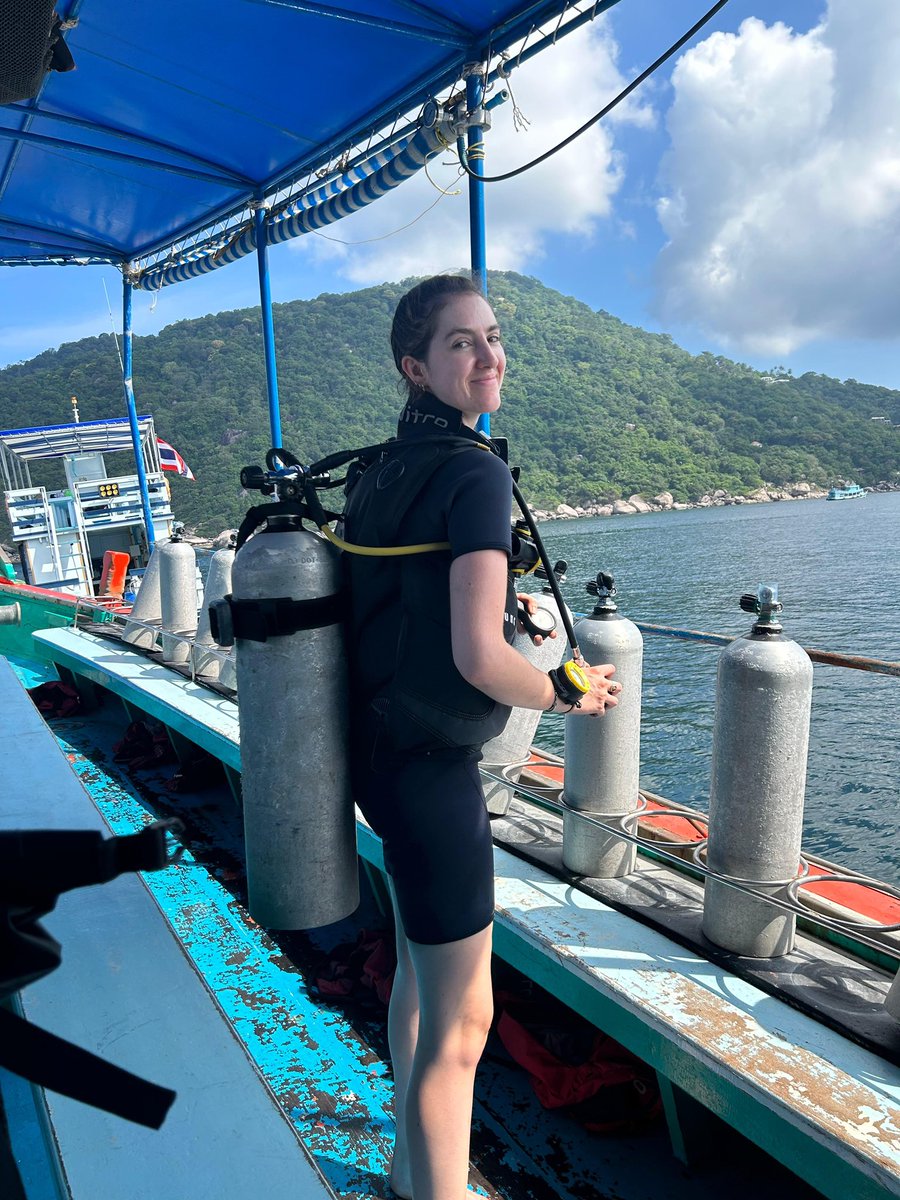
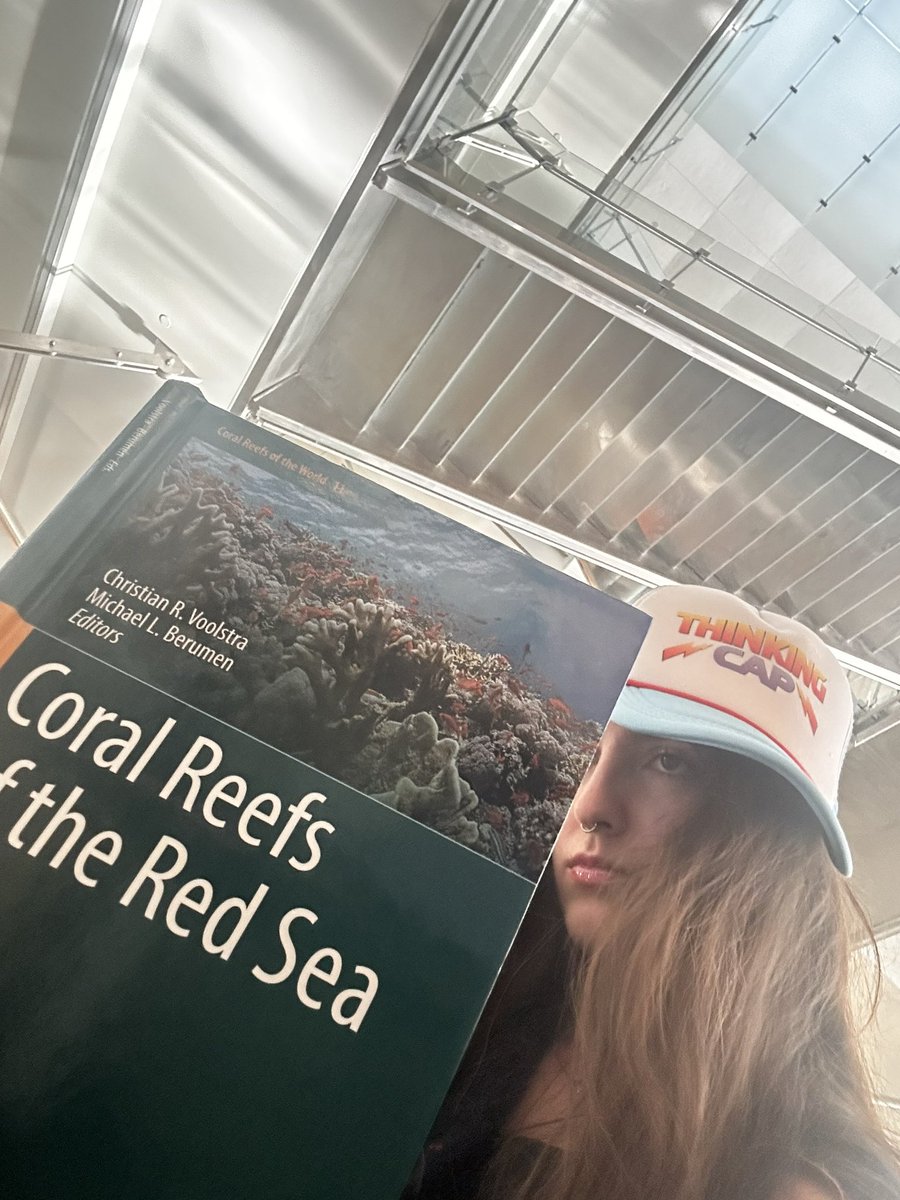
Faustine is the newest visiting research student from France/Switzerland! She graduated from a masters in Wild Animal Biology and has taken the marine biology discovery route by joining the GCEco lab.

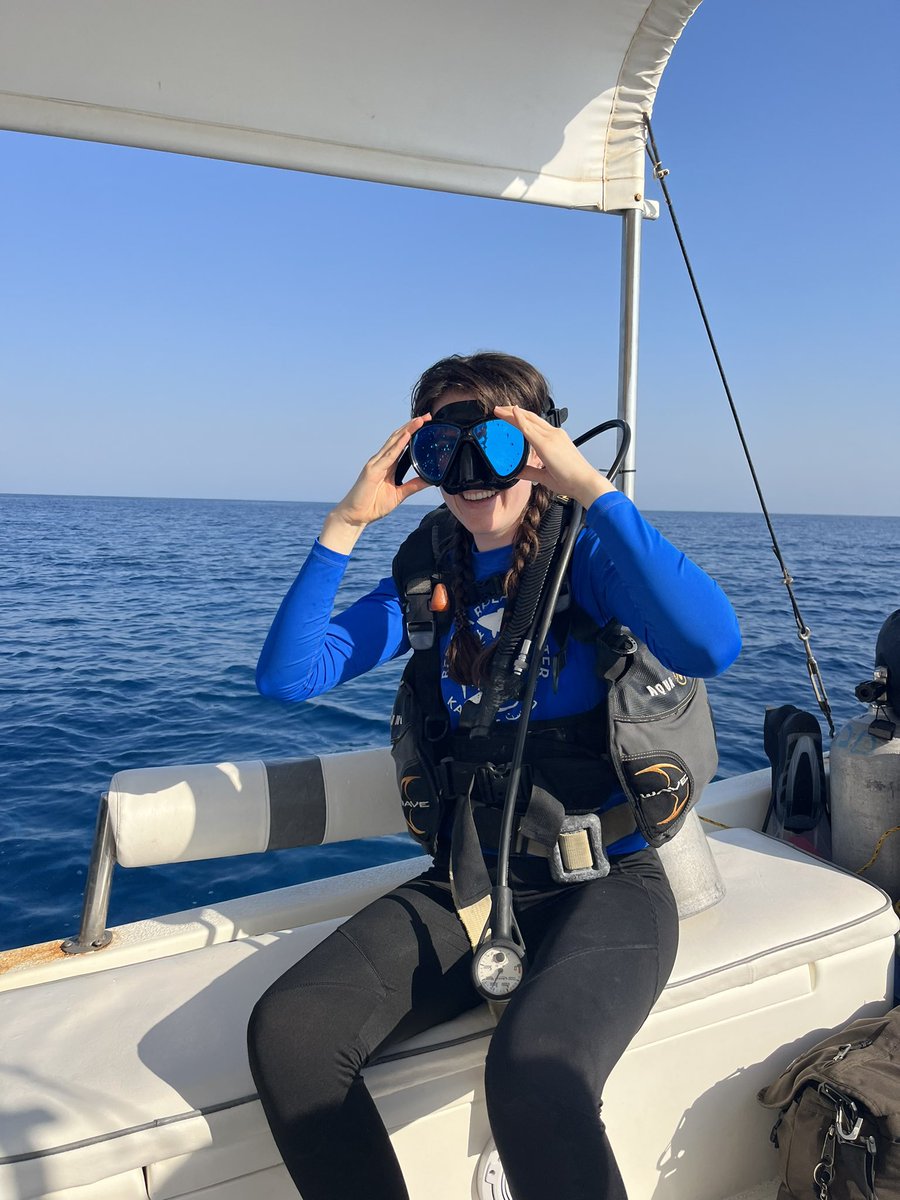
Eloise is a visiting student from Oxford University in the UK. She is joining the GCEco Lab to help research algae diversity and calcification rates on Red Sea coral reefs. She is really excited by the opportunity to be studying this unique and relatively understudied reef system


Meet Francesca! She’s a visiting student from Italy, where she’s working on her PhD all about CCA taxonomy. Her research dives into using both morpho- and molecular taxonomy to explore and understand CCA dominated environments in places like the Mediterranean and the Red Sea.
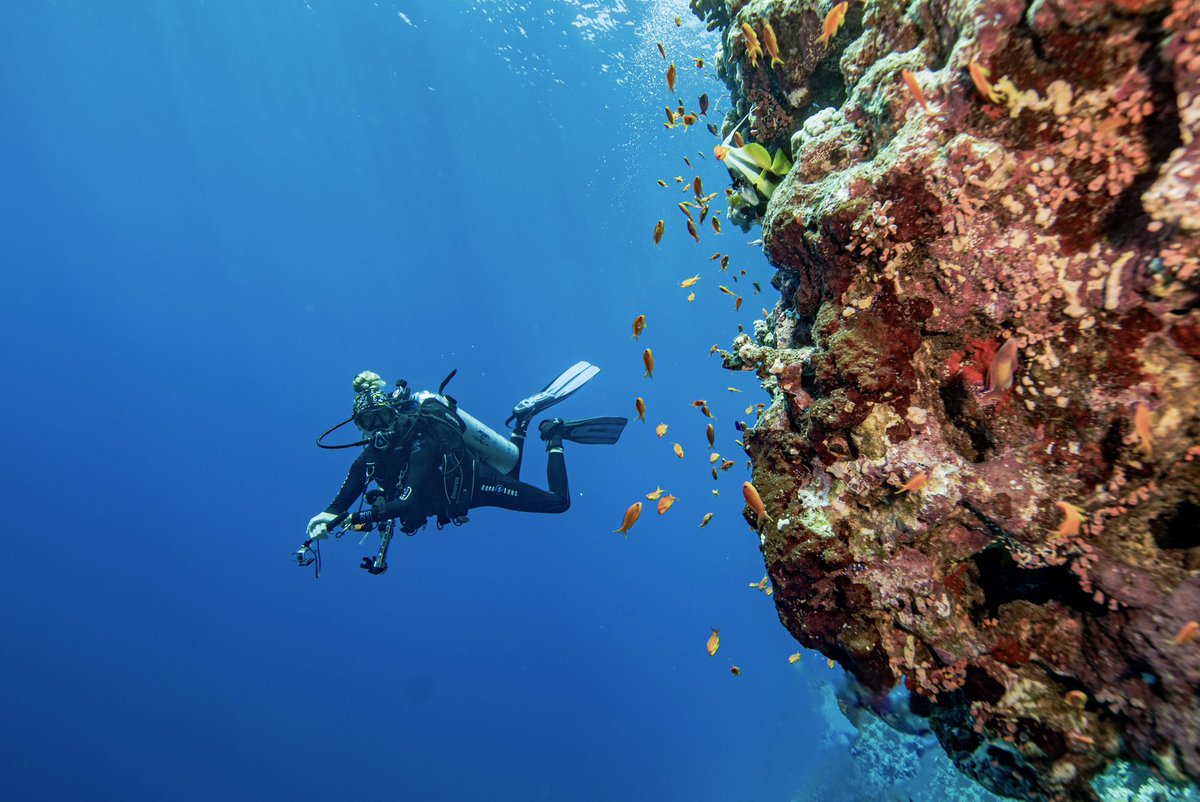
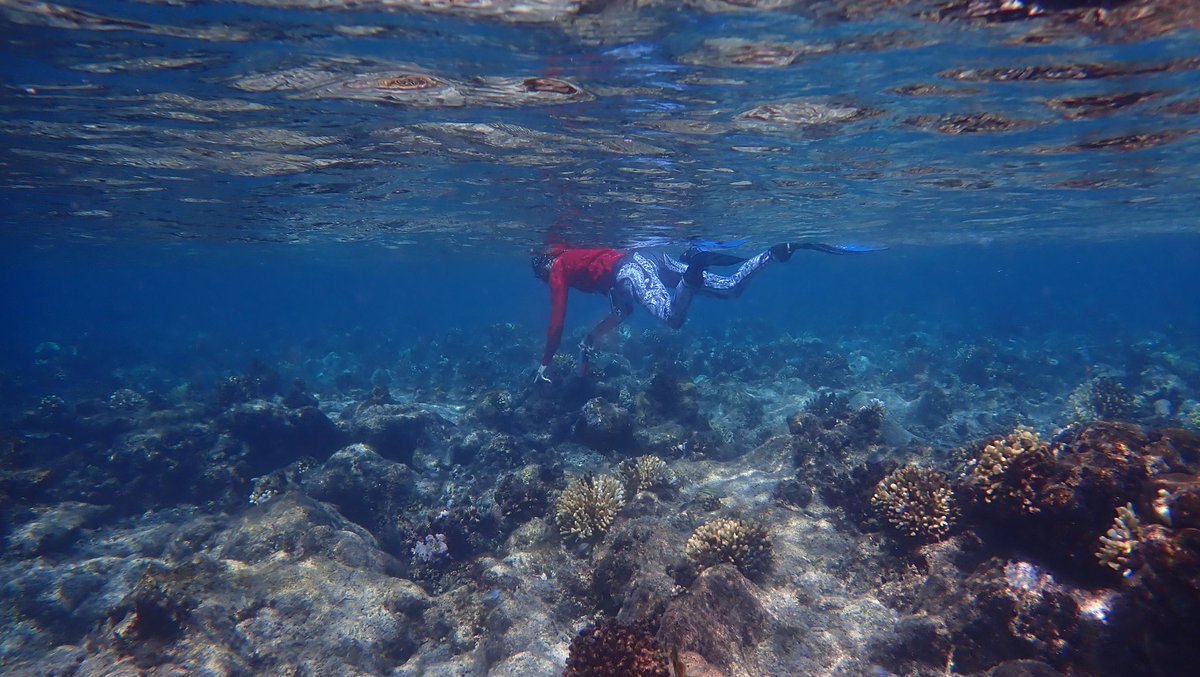
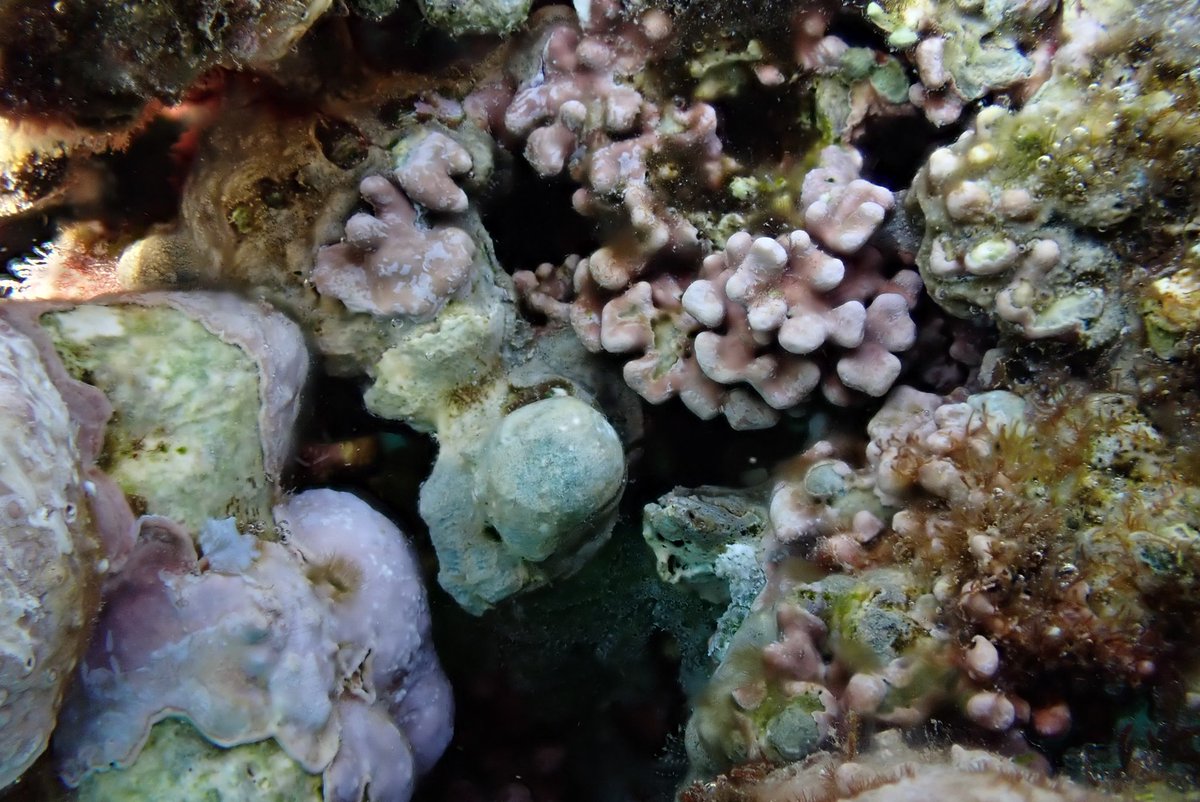
Kathryn is a visiting student from Austin, Texas. Her research with the GCEco lab currently focuses on Red Sea coral settlement, crustose coralline algae (CCA),and marine calcification rates She is excited to be at KAUST and will help anybody and everybody with their field work😄


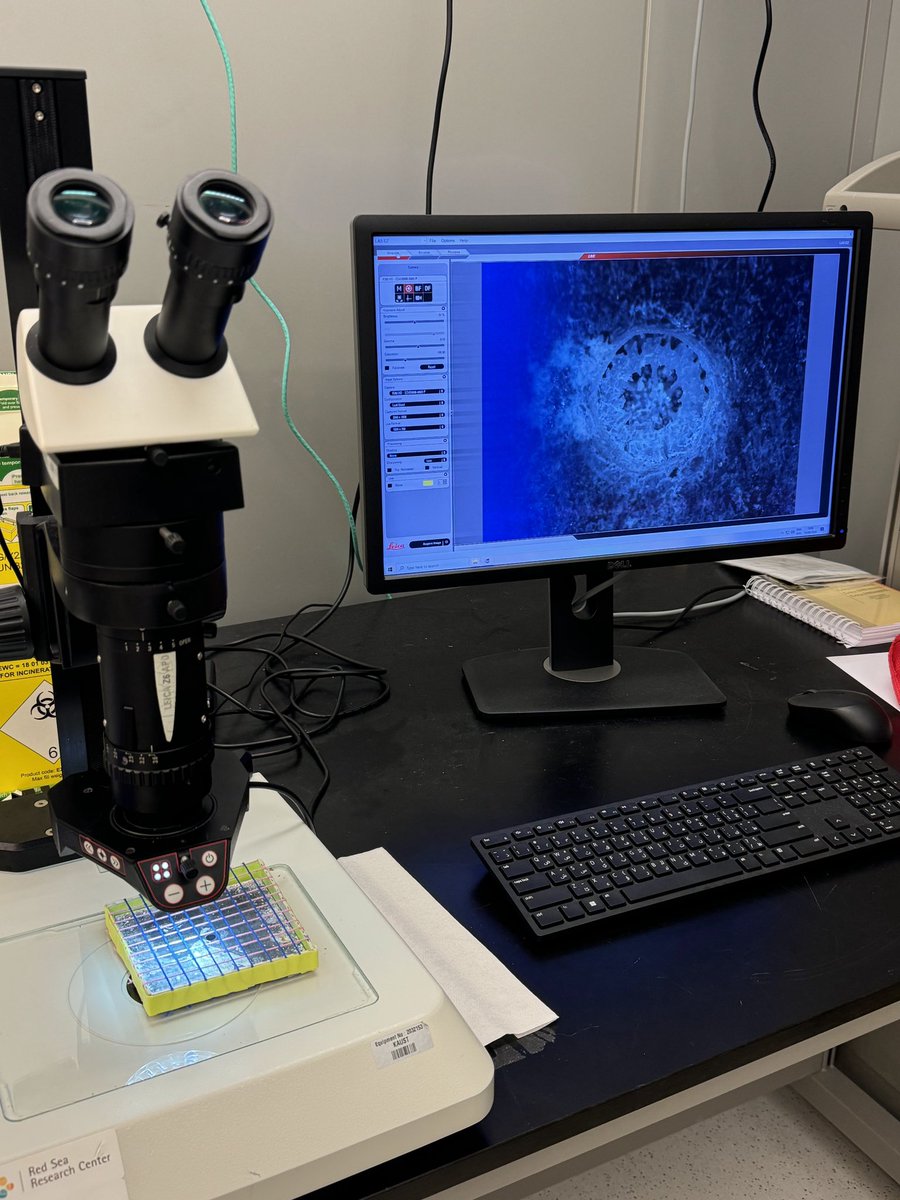
Ciao! My name is Erika, and I’m a VSRP student from Italy. I’m interested in studying the taxonomy of coralline algae (CCA) and their responses to ocean acidification.

This demonstrates the strong potential of seaweeds as a bioindicator for monitoring and identifying new nutrient inputs. This can especially help in management methods aimed at protecting our reefs #KAUST
Last year Mafalda used Halimeda sp. stable isotopes (d15N) through time to measure the rate at which they reflect new nutrient sources. The results show promising information! Halimeda sp. d15N reflects new nutrient sources in just a matter of 3 days!!!
We all know that nutrient loading is harmful to coral reefs. However, did you know that we can use macroalgae to measure changes in nutrient inputs and distinguish between natural and human sources?
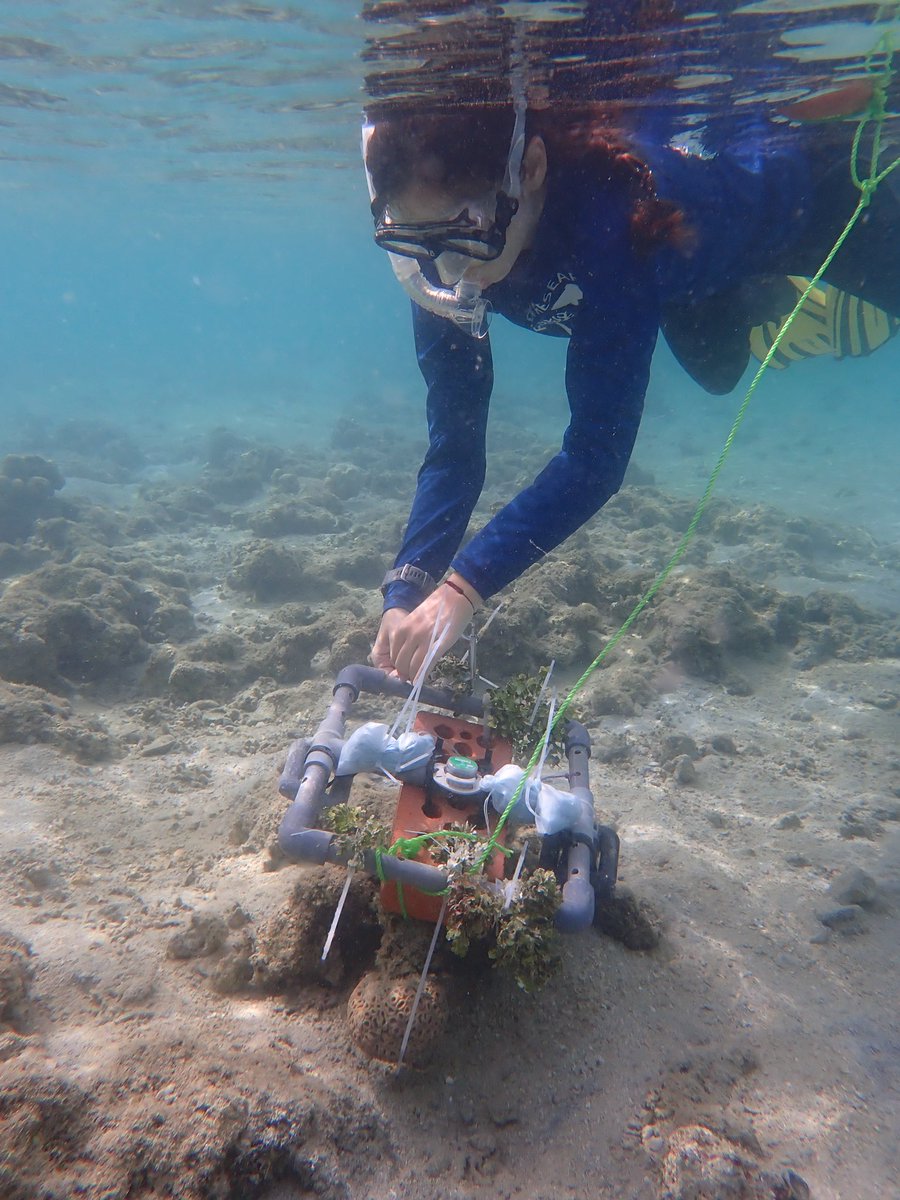

🫧 She’s also exploring the potential of CCA nursery for implementation in coral restoration projects worldwide. Exciting research ahead! 👩🏻🔬🌊 #PhDresearch #CoralEcology #ClimateChangeScience #kaust

Corinne is a PhD student 👩🏻🔬 She’s diving into understanding how climate change impacts CCA “Crustose Coralline Algae” physiology and its implications for future coral larval settlement 🪸
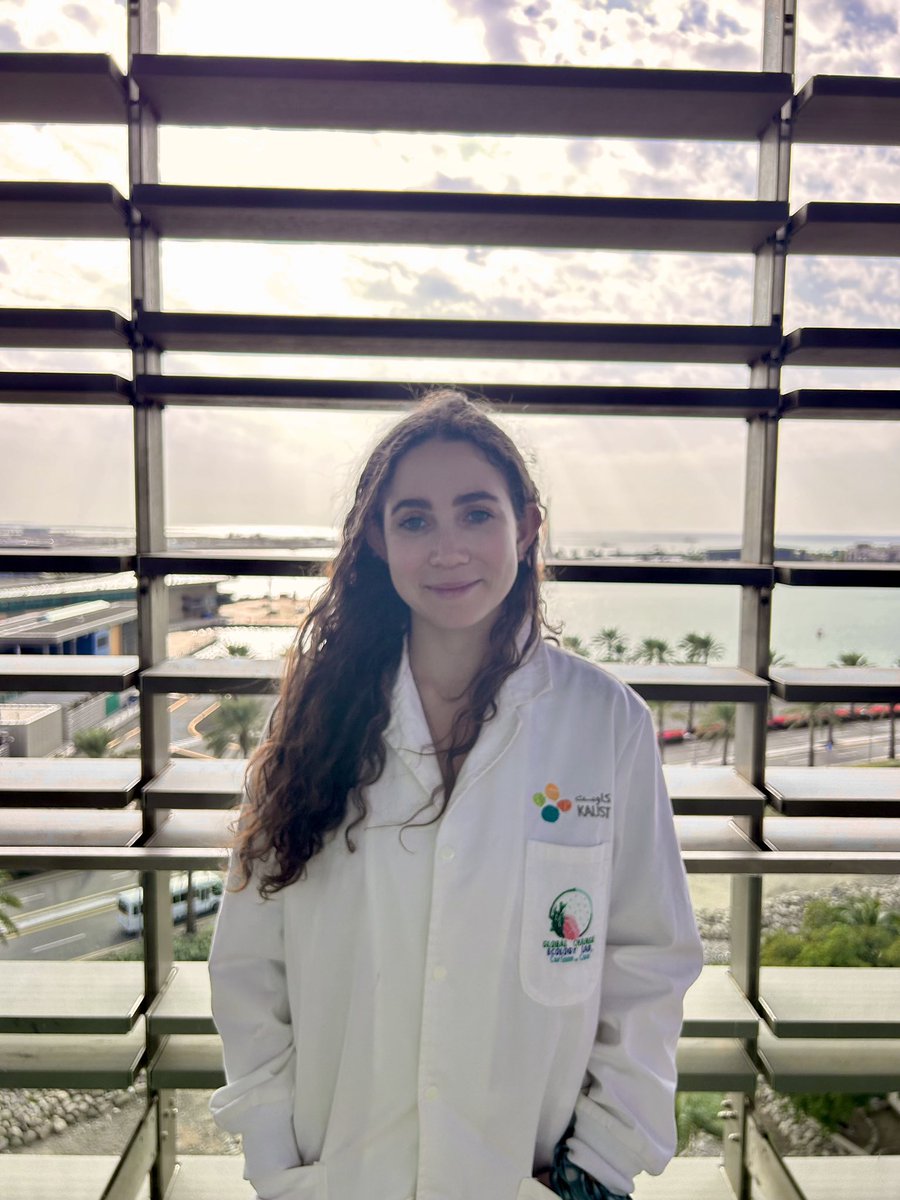
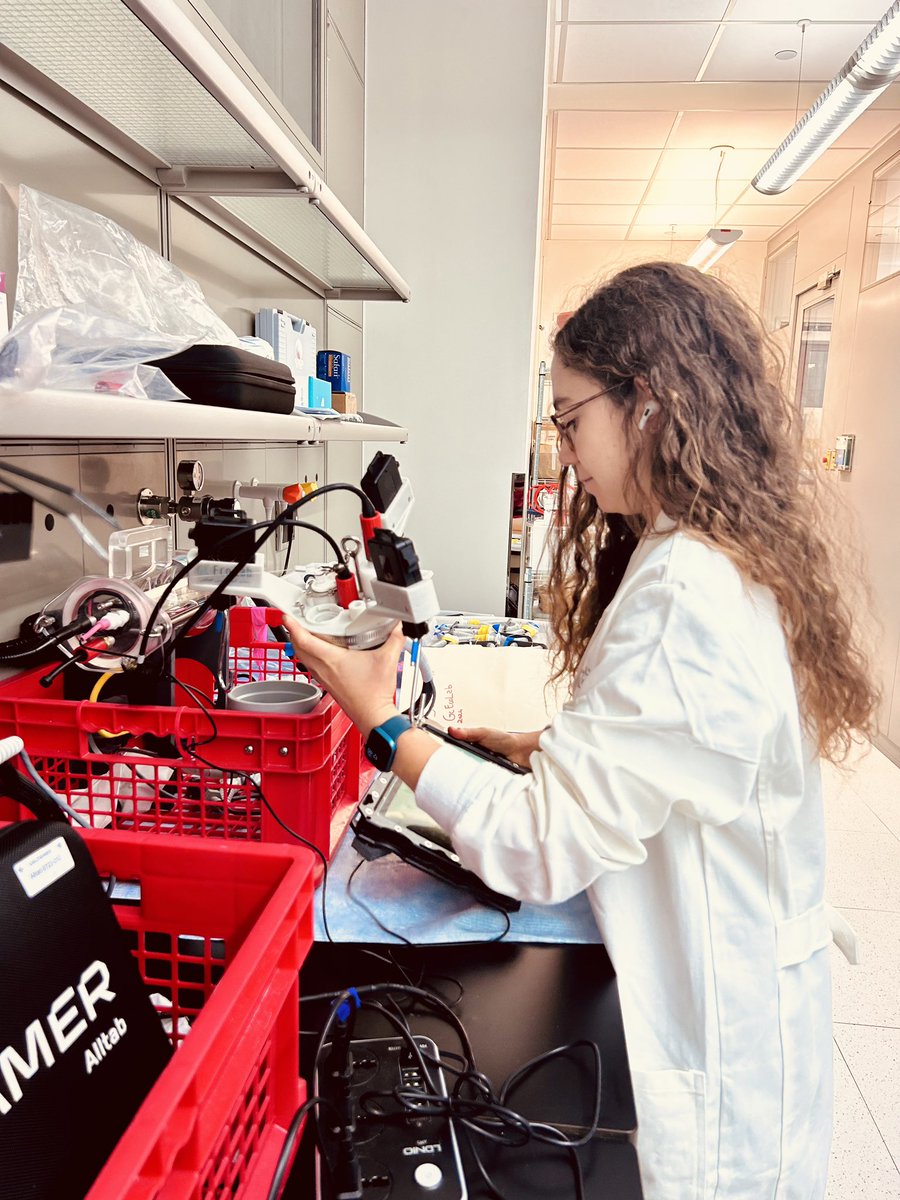

Thank you for the warm hospitality and the very cool passionate discussions that emerged 🪸 (and thank you Milano for the amazing food 🍕❤️)
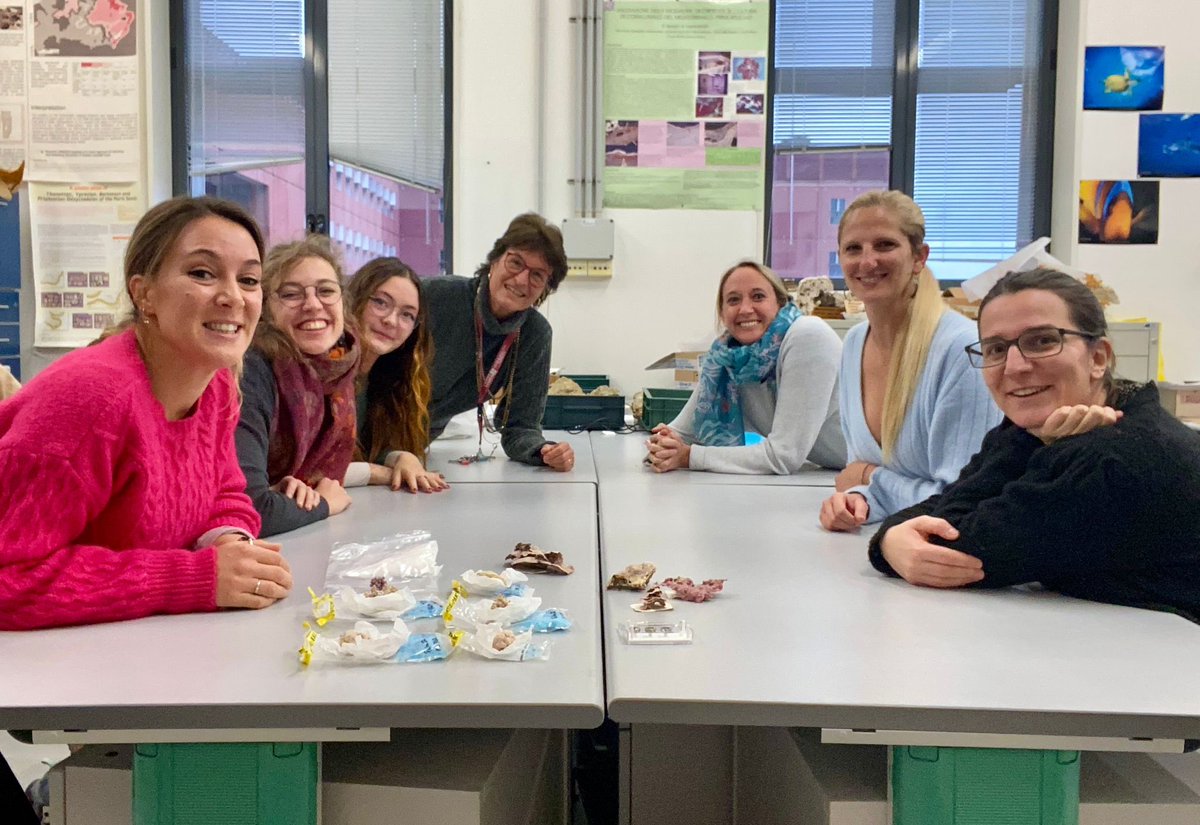
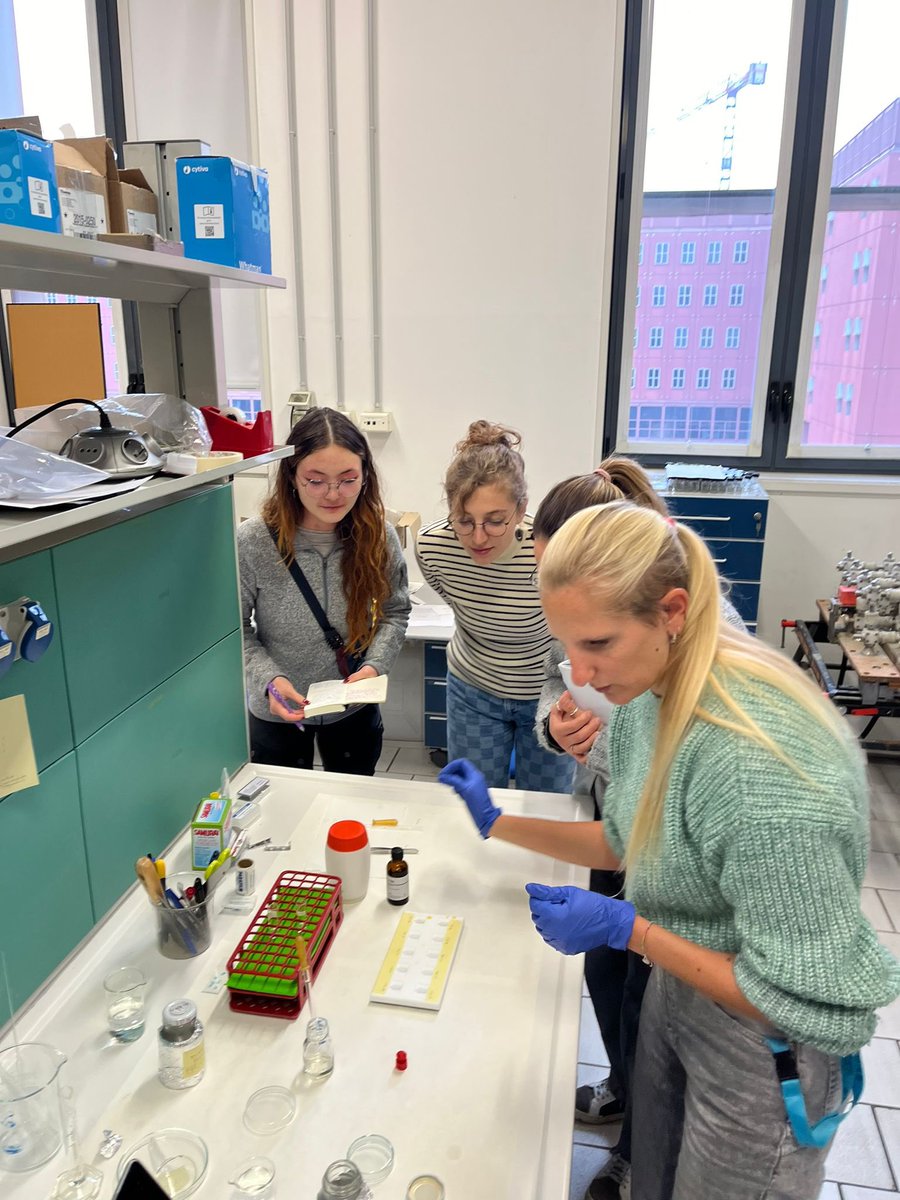
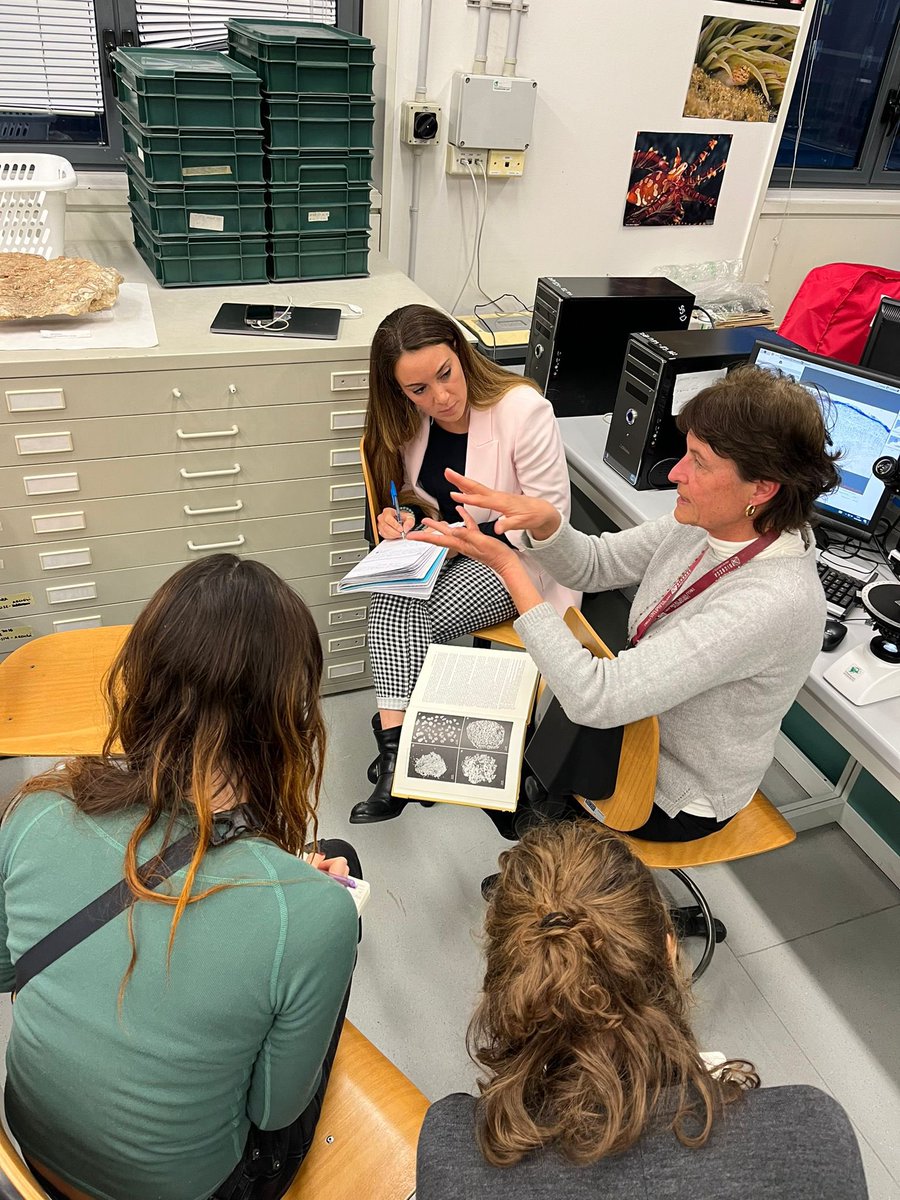
Professor Daniela Basso, Dr. Valentina Bracchi, and PhD student Francesca Panizzuti welcomed us with open arms, sharing their expertise in sample preparation and imaging techniques for identifying CCA.
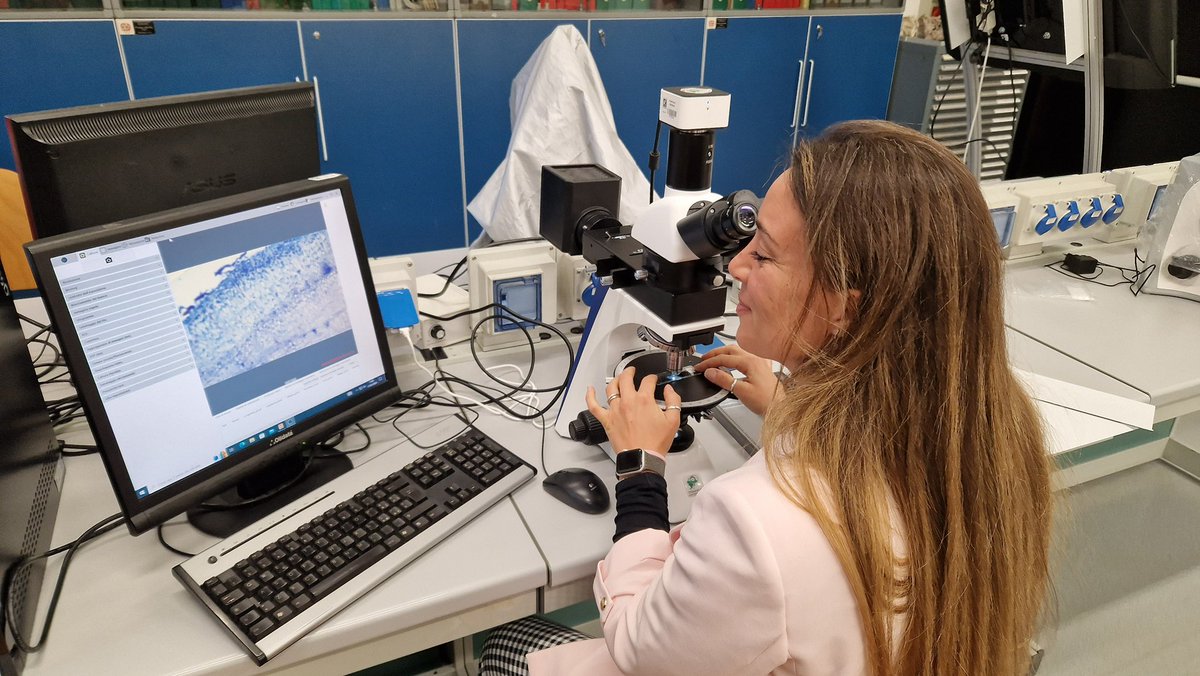
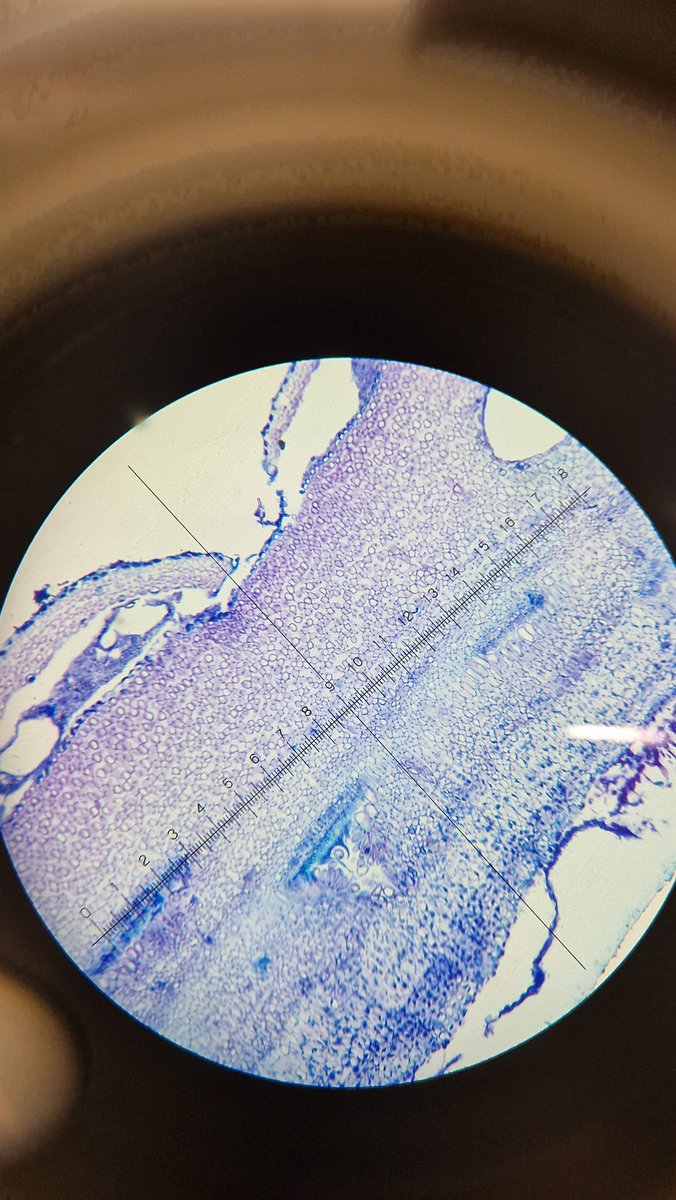
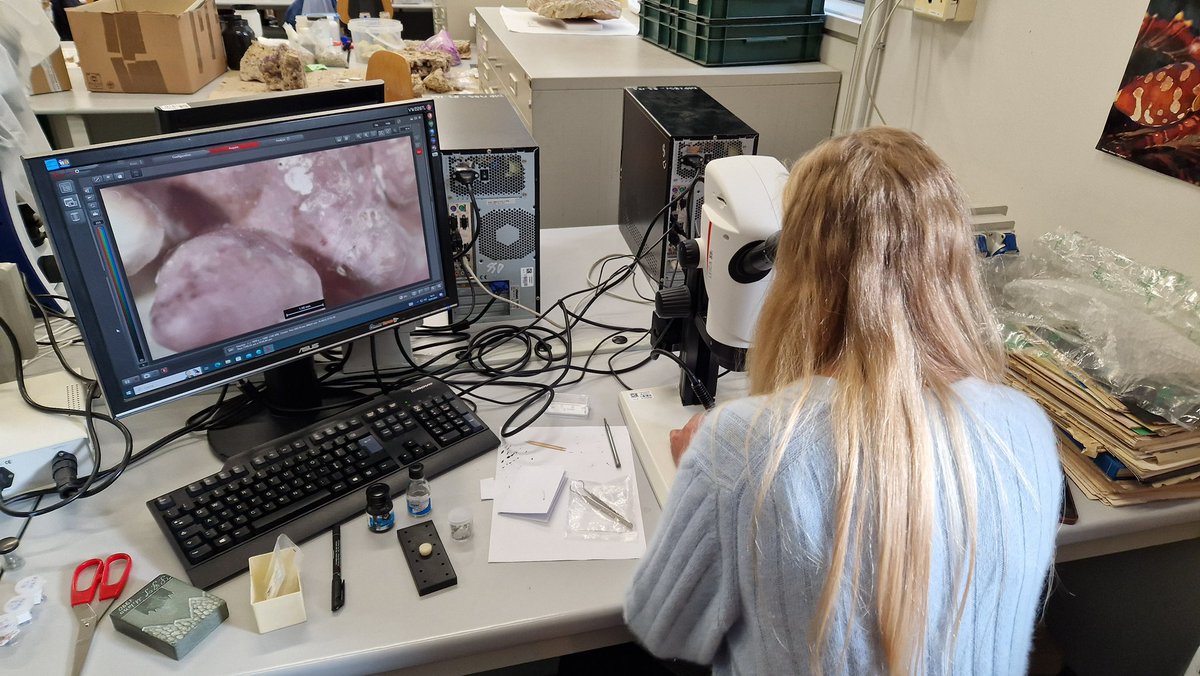
🌊🔬 Exploring Crustose Coralline Algae in Milan 🇮🇹 This January, some GCE Eco Lab folk had the opportunity to collaborate with Crustose Coralline Algae (CCA) aficionados at the University of Milano-Bicocca.
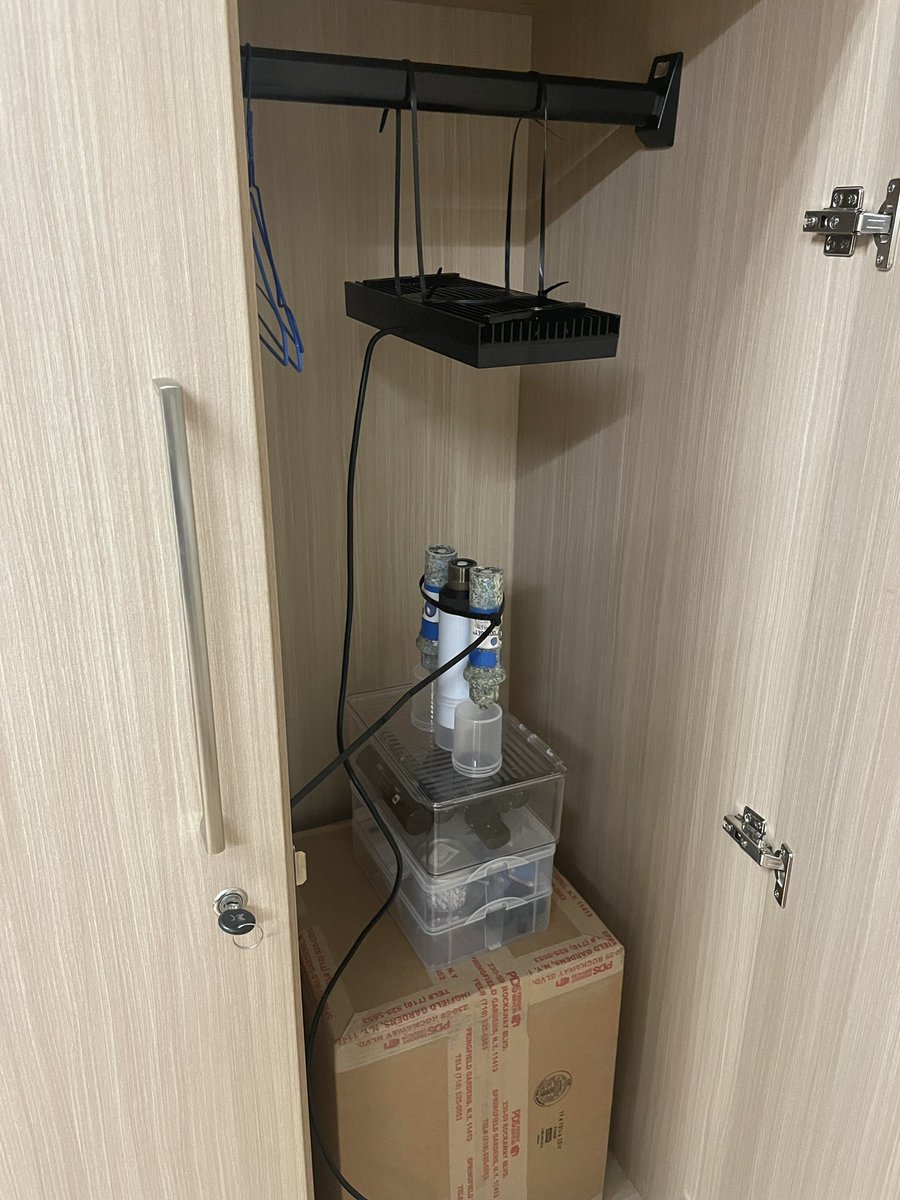
Even if it means doing so in a closet because work space is limited when we travel to our field sites.
One of the best parts about science is getting creative and resourceful to problem solve💡 We use underwater sensors to measure the physical and chemical conditions reef organisms are exposed to. But before placing sensors on the reef, it is best practice to calibrate them.

Besides that, lots of things grow on CAUs, which 1. Looks really beautiful (photo 3) and 2. Tells us about early communities in all these different reefs #Redsea #KAUSTresearch #KAUST #coralreef

This is a simple, cost effective, and standardized way to assess reef calcification 🪸🫧 Why do we care about reef calcification🤔💭? In its simplest form, it’s because it’s related to reef growth! A reef that stops growing cannot survive in the long term.
This week we are showcasing a core tool used by our lab- CAUs!😎✨ Calcification Accretion Units are small PVC and steel structures. We put them out in a reef for one year(photo 1)and after this period of time,we measure how much carbonate has accumulated(photo 2-look how pink!)


Azizah Siddig @8giu_
2 Followers 96 Following
Syed Irfan Shah @SyedIrf32728225
67 Followers 1K Following MS in Environmental Science🧪🧬 | interested in Ecology, AMF soil| PhD Aspirant| Passionate about Environment developing sustainable solutions for environment.
Anjali Jayan @anjali79606
0 Followers 33 Following
Nova yurika @YurikaNova
17 Followers 576 Following Hi! Aku Ibu Guru (Bio) SMA. S2 di Ghent University jurusan Marine Science. Suka sharing beasiswa erasmus, travelling ke 24 negara, beas S1 dan S3

Mariner @Mariner_Climate
45 Followers 300 Following

Meghana Binraj @jauntywight
243 Followers 1K Following Nature,Science & Society| (un) learning conservation| Sharks & Rays | Adventure sport enthusiast| Founder: Species & Spaces Foundation
Sri harsha @SriharshaCH18
2 Followers 57 Following
Nicolas Moity @NicoMoity
1 Followers 18 Following
TY_ウミコ @paGpuG_tyy
5 Followers 48 Following TY與兒子、女兒們的窩⛱️ ʕ•̫͡•ʕ•̫͡•ʔ•̫͡•ʔ•̫͡•ʕ•̫͡•ʔ•̫͡•ʕ•̫͡•ʕ•̫͡•ʔ•̫͡•ʔ•̫͡•ʕ•̫͡•ʔ•̫͡•ʔ
Arianna Pica @arianna_pica
9 Followers 295 Following VSRP at Dr. Maggie Johnson's Global Change Ecology Lab, working on coral bleaching surveys and interested in coral diseases
Earth,Climate and Oce... @ecorfindia
349 Followers 773 Following | SDGs | Biodiversity | Climate Change | Marine & Terrestrial Environment | Blue Planet |BGB Carbon | Human Rights| #WedoSDGs| Follow our Director @jishnupa
Jessica Zamborain Mas... @JZamborainMason
496 Followers 301 Following Oceanographer & nature lover interested in enhancing the sustainability & resilience of reef fisheries & aquatic food systems @KAUST & @Harvard!
Happy_Sun255 @HSun255
11 Followers 143 Following
Sofia Carlotto @sofia_carlotto
5 Followers 110 Following Visiting Student @RSRC_KAUST 🪸 | Marine sciences student 🌊 | Rescue Diver 🤿
Ilana Jacobs @ilanaj19
58 Followers 151 Following Dog person | Science nerd | Ski bum | @FulweilerLab | Joint Guest Student at @WHOI G+G & @HarvardOEB | SURFO |@BUMPatBU 🌊🌈🔬
Dr Sara Fowell @coral_chemist
552 Followers 673 Following Biogeochemistry & Autonomous Sensors @NOCnews. Filling marine chemistry data gaps, past and present. Happiness = Dive, Fried Bananas, Science, Dance, Repeat
Tainá Luchese Gaspar @tlgaspar
0 Followers 19 Following
Md Nahin Alam @mdnahinalam
187 Followers 493 Following Oceanography🌊|| Satellite Remote Sensing🛰️ || Spatial Data Analysis || Data Science || Chittagong University🚞 || Bangladesh || Life is Beautiful
Mahboobeh Ataei @Mahboobeh0813
2 Followers 14 Following
saadi donia @saadi_doni24576
1 Followers 148 Following
Hafeez @Hafeezulhaq14
97 Followers 527 Following Postdoc at @UFZ_de & @TreeDi1 exploring plant–microbe interactions, microbial ecology, and the soil–water microbiome. 🌱🦠🌍

Nikki Di Lernia @DilerniaNikki
247 Followers 221 Following Marine Biologist 🪸 PhD Candidate at Future Reefs Research, C3 UTS | Resolving the limits of reef forming corals surviving under ocean deoxygenation (She/Her)
Raphael R-W @RaphsWall
725 Followers 755 Following Marine biologist focused on coral reef ecology. Diver & underwater photographer. Advocate for ocean conservation. Educator committed to science outreach.
Sarah Davis @Sarahrdav
27 Followers 128 Following Research Assistant at the Gulf Shellfish Institute🦪 Eckerd College Alum
Truthful Mind @truthful0_mind0
0 Followers 3K Following passionate about inner peace and self-development.
Arun G @ArunG_Ocean
0 Followers 97 Following
ABDULLATIF HALAWI @Abdullatifhalwi
1K Followers 2K Following Student at @mar150_kau | Interested in Marine Environment & Training Consulting | Secretary of the Media Sports Club| @mawhiba🌟| Personal Account
Coral Reef Restoratio... @Coral_project_
9 Followers 127 Following ❤️🪸If you want to donate you can support this organization: https://t.co/gK99WWJ0AG Lets save the Corals!
Lab Spend @LabSpend
570 Followers 2K Following We develop free software to help research labs with management, inventory and procurement (we make pricing transparent) powered by @P212121
Lucas Bravo Guzman @lucas_BG_98
8 Followers 58 Following Marine biologist at eCO2lab EcoPhysiology R-enthusiastic Diver
Tao Xu @TXu177612
11 Followers 99 Following PhD Larval dispersal and settlement of crustaceans in coral reefs.
Maldives Coral Instit... @MaldivesCoral
2K Followers 1K Following Research and interventions for coral resilience & survival
Claudia Hill @claudiia_hill
234 Followers 232 Following PhD student at the University of Bremen 🇩🇪 Researching nitrogen cycling pathways in coral holobionts. Currently based at KAUST 🐪 🇸🇦
Nina tabitha simon @TabithaSim31674
4 Followers 23 Following

Arwa @Arwa_Almousaed
1K Followers 2K Following
(M) // M’s Journey ... @DiscoverWhatLie
560 Followers 6K Following Small human on a journey through time // intellect without coldness // empathy without chaos // structure with imagination.
Carolina Madeira @SCMadeira
275 Followers 533 Following Marine Biologist | Researcher @seatoxlab @UCIBIO_Research @FCTNOVA Adaptation of tropical & temperate marine fauna to climate change #SDG13 || #SDG14
Dr Christopher Cornwa... @chrisecornwall
3K Followers 1K Following Aotearoa|New Zealand. Kelp forests, coral reefs, climate change. Te Herenga Waka|Victoria University of Wellington Senior Lecturer. Father, craft beer lover
Tania Valdivia-Carril... @taniavaldiviac
512 Followers 2K Following environmental DNA in marine ecosystems
Maddie Emms @m_and_emms
175 Followers 436 Following RADseq analyst @ToBoLab @himb_soest | PhD from @CamZoology | Alumna @RSRC_KAUST @univofstandrews @jcu | Fan of science, sunshine and coral reefs!
Arup Ratan Roy @aruprroy
68 Followers 307 Following Project Scientist-I @NCCS, Pune | Ph.D. @Jadavpur University, India | Love to travel #Ocean🌊
Michael Berumen @MLBerumen
641 Followers 154 Following
Reef Ecology Lab @ReefEcologyLab
2K Followers 448 Following @MLBerumen's lab group at KAUST Innovative coral reef ecology research on the Red Sea. Movement, food web ecology, genes & more. Creator of iDive #OceanOptimism

Duncan Stevens @SubductionDunky
140 Followers 297 Following @OceanEarthUoS. Subduction Tectonics. Marine Geology & Geophysics. PhD. He/him 🏊♂️🚴♂️🏃♂️ 🇬🇧🇪🇺
Smithsonian MarineGEO @SImarineGEO
2K Followers 182 Following The Smithsonian and Tennenbaum Marine Observatories Network are taking the pulse of the coastal ocean.| Terms of use: https://t.co/21O7Aicb3d
Gage Mele @GageMele
78 Followers 571 Following Marine Sciences PhD student at KAUST | Oceanography | Coral Reef Ecology | Three Seas Alumn
KAUST Research @KaustResearch
7K Followers 183 Following The official Research Communication team Twitter feed from King Abdullah University of Science & Technology (@KAUST_NEWS). Engage w/ us using #KAUSTResearch.
Dr. Maggie Johnson @MaggieDJohnson
2K Followers 552 Following Asst. Professor at KAUST's Red Sea Research Center. Studying global change, ocean acidification & deoxygenation, community ecology, reefs, and algae. She/Her
Jennifer Ha @_JennHa
31 Followers 86 Following Graduate students at KAUST 🌊 • GCEco Lab • Red Sea Research Center, Marine Science • 🇰🇷🇬🇺
Mafalda Isidro @mafalda_isidro
30 Followers 202 Following PhD Student in Marine Sciences at Kaust | Seaweed Ecology
Sheena Chung @SheenaChung
42 Followers 323 Following MSc Biological Oceanography @GEOMAR_en | Marine biologist wannabe🪸🤿 🌊 | HKU '20 | Views are my own | She/her/hers
Dr. Sarah Smith @smith8272
1K Followers 1K Following Oceanographer & Molecular Biologist - still sad-tweeting here and clinging to this platform in the dwindlinghopes it returns to the scientific glory it once was
Julianna Renzi @JuliannaRenzi
476 Followers 618 Following PhD candidate and invert enthusiast studying ecology in the @BurkepileLab at @eembucsb | she/her/hers 🏳️🌈🦀 https://t.co/JaU71GzOYb
Marifer Veloz @mariferveloz_
689 Followers 751 Following 👩🔬PhD Student Bioscience @KAUST_News & Neuroscience @unito🧠Research on brain energetics📝@Wikimedia_mx writing about #WomenInSTEM #WikiCMx
Pau Albella Cecília @AlbellaPau
48 Followers 385 Following 🌊MSc Oceanography 🌱Enviro Science 🪸SCUBA diver & ocean explorer
Mai Aldhahri @MaiDhahri
446 Followers 956 Following صّنوُ | إيمان وليس حُلم | MSc Marine science @KAUST_news 🐠 | @KAUweb
Mike Fox @MikeD_Fox
798 Followers 242 Following Ecological Oceanography Lab (ECO-OCE) @RSRC_KAUST | Oceanographic drivers of coral reef ecology, trophic structure, and ecosystem function. He/him
Fleur Bruggemann @fleurbrg
82 Followers 284 Following PhD student @GCEcolab studying coralline algae in the Red Sea
Kaitlyn O’Toole @kaitlyn_otoolee
117 Followers 253 Following Field technician, KAUST/RSRC | Marine Scientist | MS, Stony Brook University | Lover of all things above and below the sea 🌊🦐🐠🐙🌴🌲🍄🌿
Jordi Solà @JordiSC03
254 Followers 790 Following PhD student at Swansea University. Applying heterogeneity-diversity-functioning relationships to marine conservation. Views my own.
Sarah Cryer @SarahECryer
851 Followers 950 Following NEXUSS PhD Student @NOCnews - Ocean Acidification / Biogeochemistry / Reefs / Autonomous Tech in Belize. Environmentalist & Feminist. she/her 🏴
Aurora Giorgi, PhD @AuroraGiorgi88
186 Followers 273 Following Marine biologist and microbiologist 🪸🐋🐚. I study coralline algae and their function in mediating coral recruitment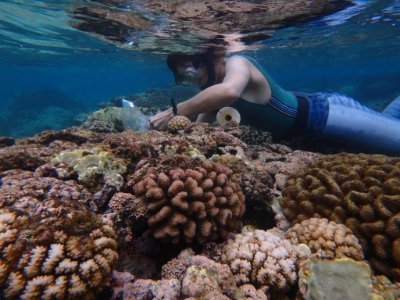
Jess S Glanz @jsglanz
136 Followers 371 Following Joint Research Specialist KAUST Reefscape Restoration Initiative Global Change Ecology & Ecological Oceanography Labs MS @CSUNBIO She/Her.
Science Magazine @ScienceMagazine
4.7M Followers 458 Following Cutting-edge research, news, commentary, and visuals from the Science family of journals. Follow @NewsfromScience for stories from our News team.You might like